The Ultimate Guide For A Complete Home Remodel In 2026
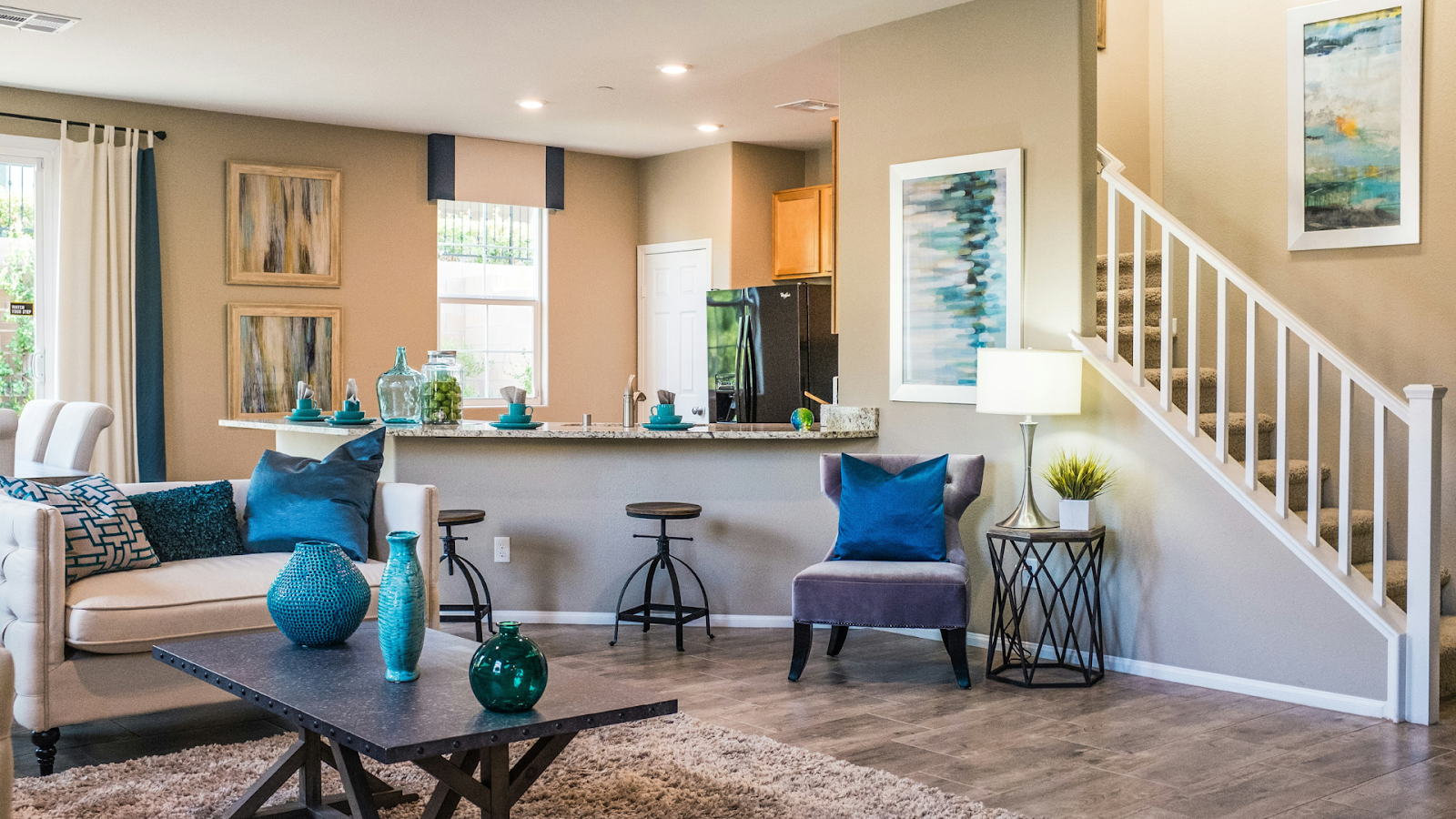
- Home remodeling demand is growing, expected to reach $520 billion by 2026.
- Remodeling changes layouts, while renovation involves repairs and minor updates.
- Services include kitchen, bathroom, living space, outdoor improvements, and sustainable upgrades.
- Key steps: budget planning, hiring the right contractor, and clear communication.
- Popular remodel ideas include modern kitchens, spa-like bathrooms, and outdoor spaces.
- Avoid common mistakes like rushing the process and neglecting contingency budgets.
When one thinks of home remodeling, many thoughts come to mind. From managing the budget to finding the right contractor and choosing the right design, everything requires detailed planning.
With rising property values, changing lifestyles, and sustainability trends, these factors are driving growing remodeling demand in the US.
According to the Joint Center for Housing Studies, annual expenditures for improvements and maintenance to owner‑occupied homes in the U.S. are expected to increase by 2.5% year‑over‑year, reaching a record $526 billion by the first quarter of 2026.
This guide will walk you through every step from planning and budgeting to designing your dream home remodel.
What Is Home Remodeling?
Home remodeling is reshaping and upgrading your space to fit your lifestyle. The process involves repairing and redesigning different areas, from indoor to outdoor areas.
Many homeowners choose remodeling to:
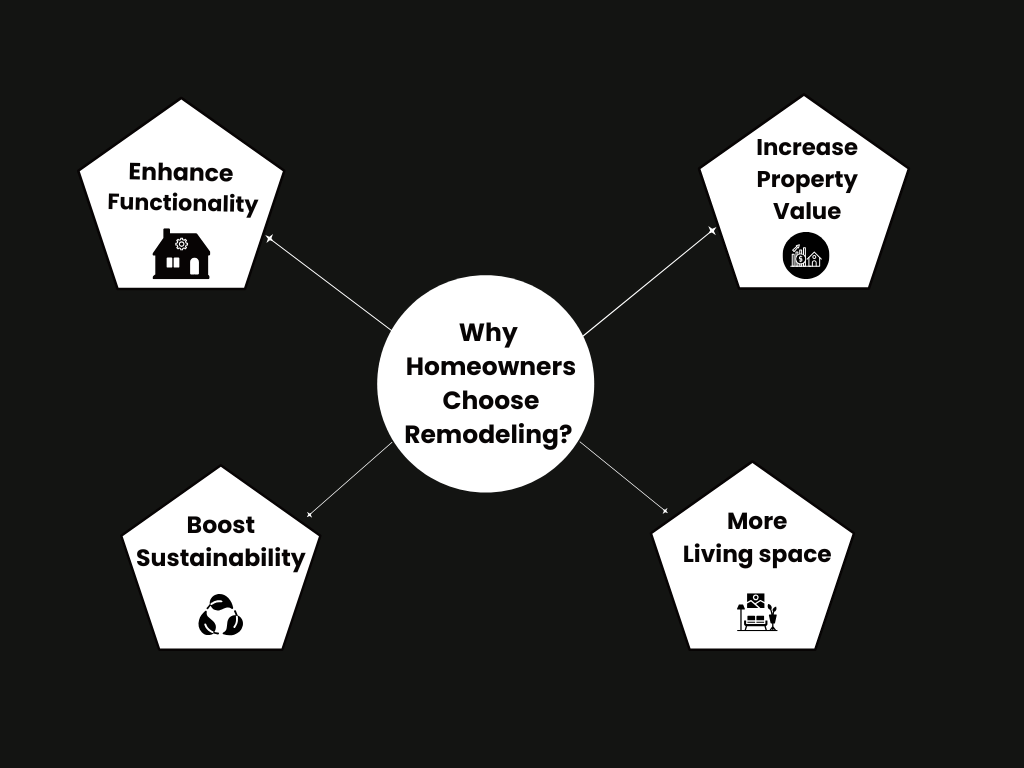
Enhance functionality
Increase property value
Boost sustainability
Create more living space
Many people think home remodeling and home renovation are the same, but there is a difference.
Remodeling means changing the whole layout of the house by demolishing the existing structure.
For Example, turning the Garage into an ADU (Accessory Dwelling Unit).
Whereas renovation means repairing the old structure with minor changes.
For Example, replacing the old window with an impact window.
Types Of Services Home Remodeling Includes:
Before you go for home remodeling, you must consider what a full home renovation includes:
Kitchen And Bathroom Remodel:
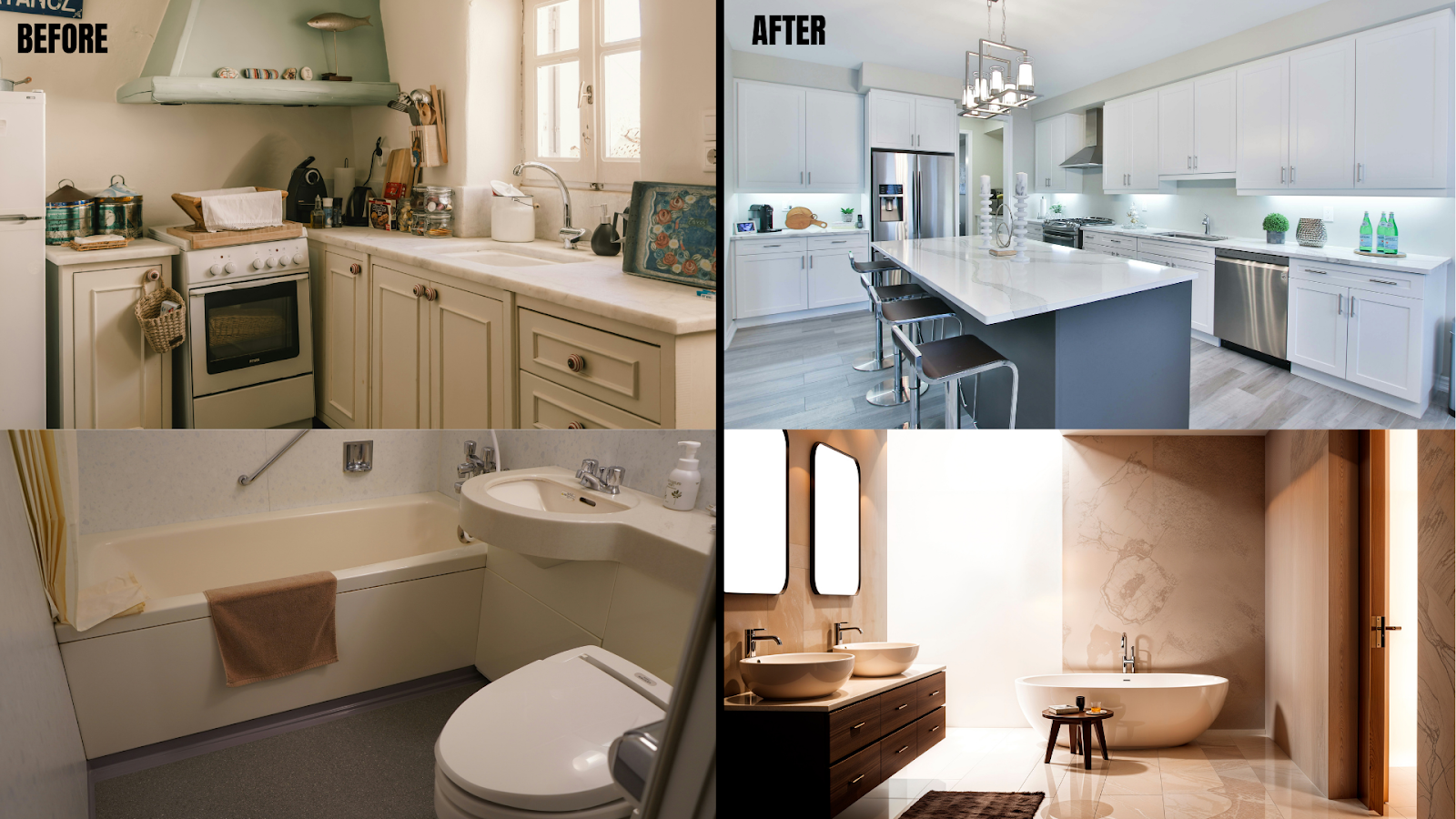
Adding custom vanity, cabinets, countertops, flooring, modern fixtures, and plumbing system.
2. Living And Dining Area Expansion:
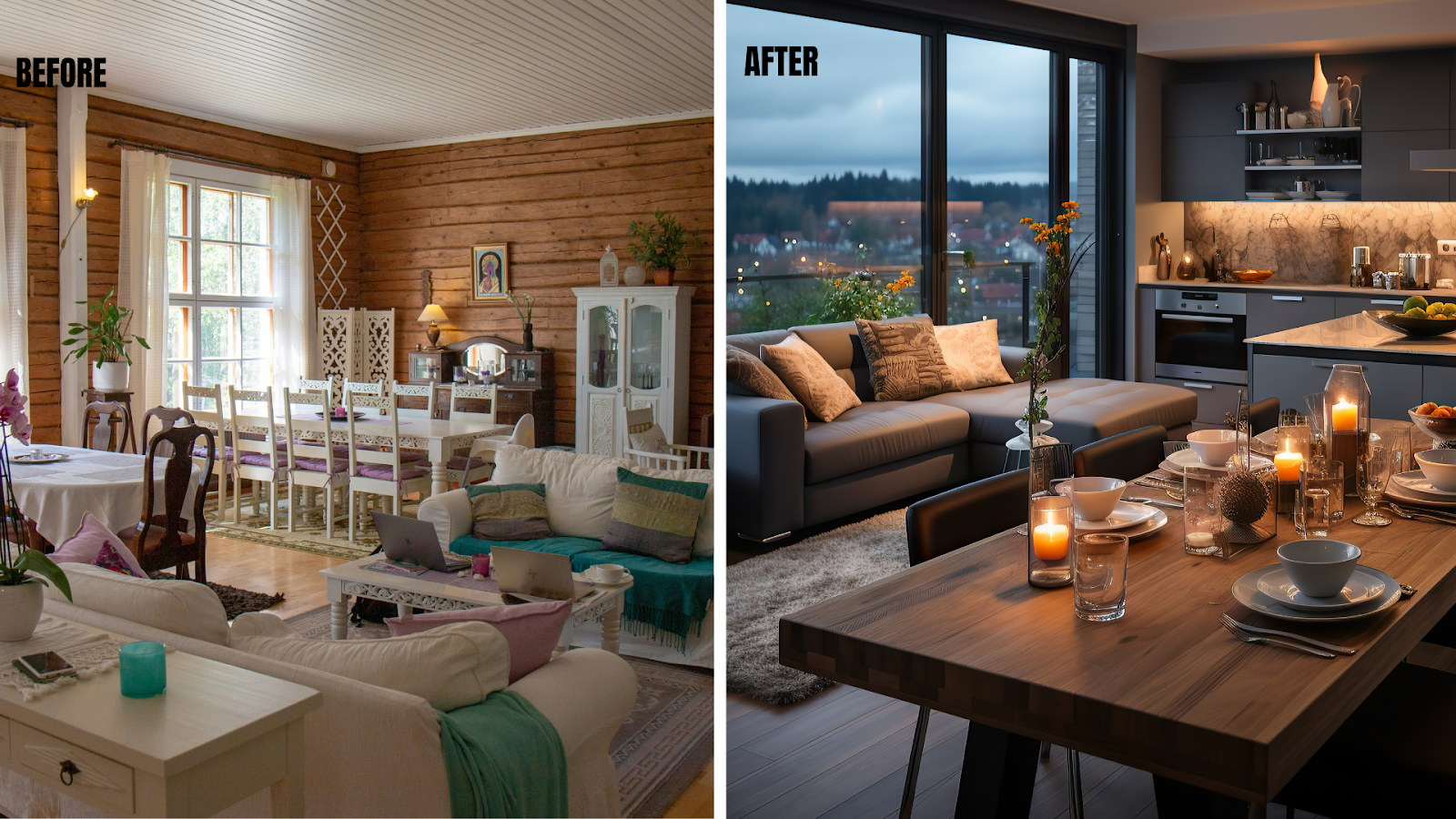
Increasing the space by using open up layouts, room expansion (by removing walls), upgrading flooring, wall ceiling, panels, installing new lights, and an HVAC (Heating, ventilation, and air conditioning) system.
3. Outdoor Improvement:
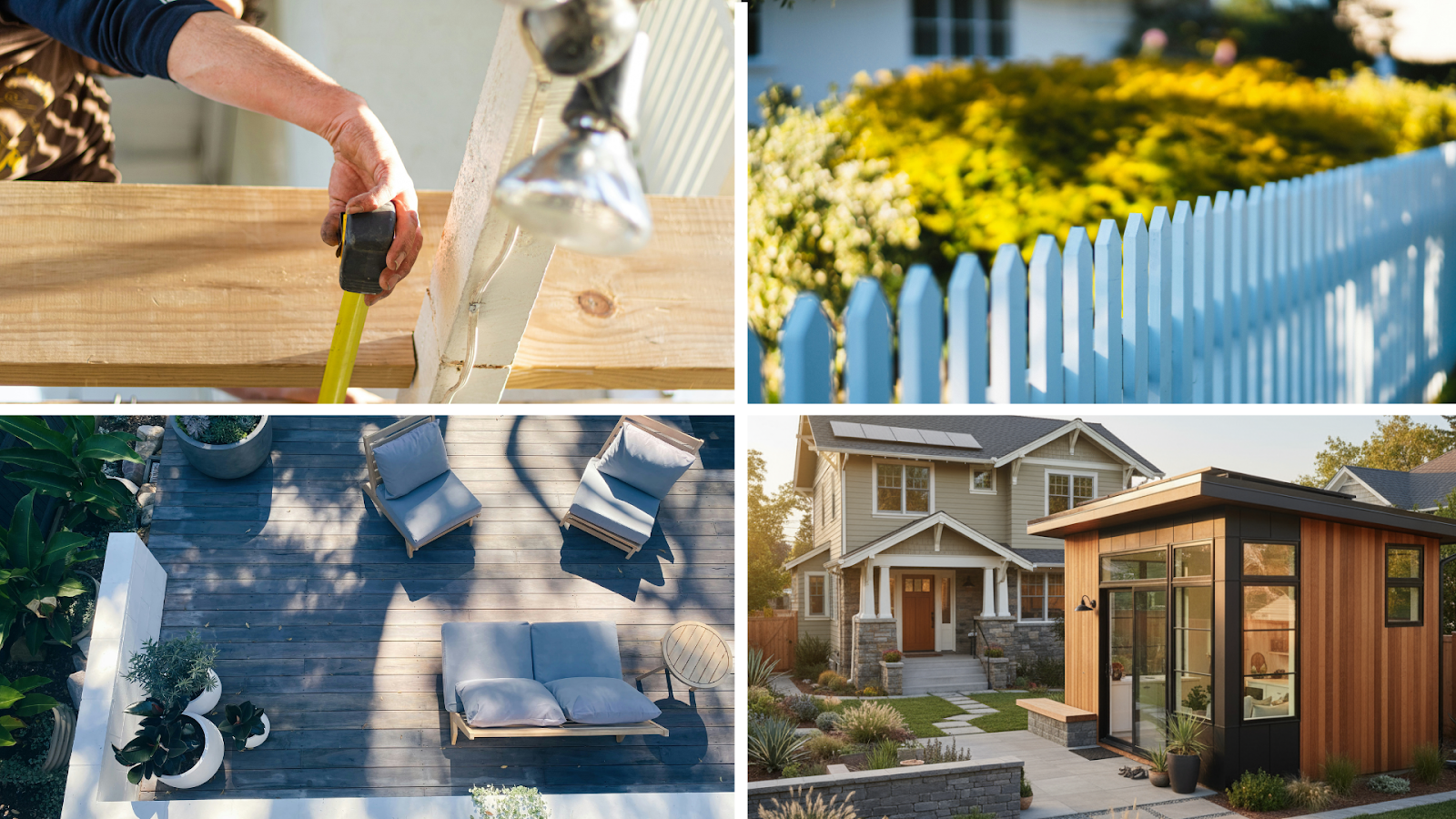
Includes landscaping, roofing, siding, deck building, fencing, ADUs (Accessory Dwelling Units), and pool construction
4. Sustainable Home Upgrades

Adding solar panels, a foam insulation sheet, and smart home technology.
What Steps Do You Have To Take For Home Remodeling?
Step 1: Recognize your Need
Before you hire a contractor, take some time to figure out what you really want for your home remodel.
Ask yourself:
Why do you want remodeling?
Do you want to enhance your space?
Want to increase home value?
Want to modernize your home?
This will help you understand your goal and ensure clear communication with the contractor.
Step 2: Budget
This is the most important step, which sets whether your project will succeed or fail.
So, it's best to plan and set your budget ahead before visiting any remodeling professional.
A recent study by Physicians Thrive showed that home renovation costs in 2025 range from $17,697 to $79,125 in the US.
Here is a list of how much a remodel costs you based on your project complexity:
| PROJECT TYPE | ESTIMATED COST | DETAILS / TYPES |
|---|---|---|
| BATHROOM | $3000 to $25,000. |
Powder room: $5,000 – $10,000 Guest bathrooms: $14,000 – $20,000 Master bathrooms: up to $30,000 |
| KITCHEN | $10,000 to $100,000 |
New appliances: up to $25,000 Countertops: $3,000+ Plumbing: $4,000 – $7,000 |
| LIVING ROOM | $5000 to $15,000 |
Materials: 70% of cost Labor: 20% of cost Cost per square foot: 300 – 400 sq ft: $500 400 – 500 sq ft: $780 600 – 800 sq ft: $1,200 – $2,000 |
| BEDROOM | $10,000 to $15,000 | Depends on the upgrades |
| BASEMENT & ATTIC | $15,000 to $40,000 | Depends on the upgrades |
| GARAGE | $7,000 to $15,000 | Converting to living space: up to $24,000 |
Note: The remodelling cost can vary based on the city you are living in.
Step 3: Research And Hire A Professional
Your house is the most significant investment, and the outcomes of building it right rely on the professional you choose. The right contractor will bring your ideas to reality, whereas the wrong one can lead to poor results and wasted money.
How to identify the wrong contractor?
Be aware of the contractor who rushes you into signing a contract or fails to communicate promptly.
Here is a small guide to help you choose the right professional:
Certification and Licensing:
Look for the certification, license, and check profile, like a BBB profile.
Portfolio and Experience:
Review previous projects and check how many years they have been in this service.
Service Provided:
Check for what services they provide or any particular specifications.
For example, do they offer full service like hiring subcontractors, getting permits, designing, repairing, plumbing, all at one place from start to finish?
Lastly, which service are they most known for?
Here is a list of questions you can ask a contractor before hiring them:
How long will the project take?
Can they work with your budget?
What material will they use and its cost?
Do they have experience with projects similar to yours?
What is the payment structure?
Will they handle all the necessary permits?
A Handful Of Valuable Tips:
- A full home remodeling may last from six months to a year (depending on the project complexity).
- When you hire a contractor, make sure they are providing you right material. Sometimes, they scam the customer by promising to fulfill their needs within the budget, but use the wrong material.
- The cost of your remodel also depends on what material you choose. For Example, quartz countertop may cost you more than a laminate countertop.
- Clear that if the constructor takes payment at once or in stages.
Popular Home Remodeling Ideas
Kitchen Upgrade:
Modern Kitchen Remodel:
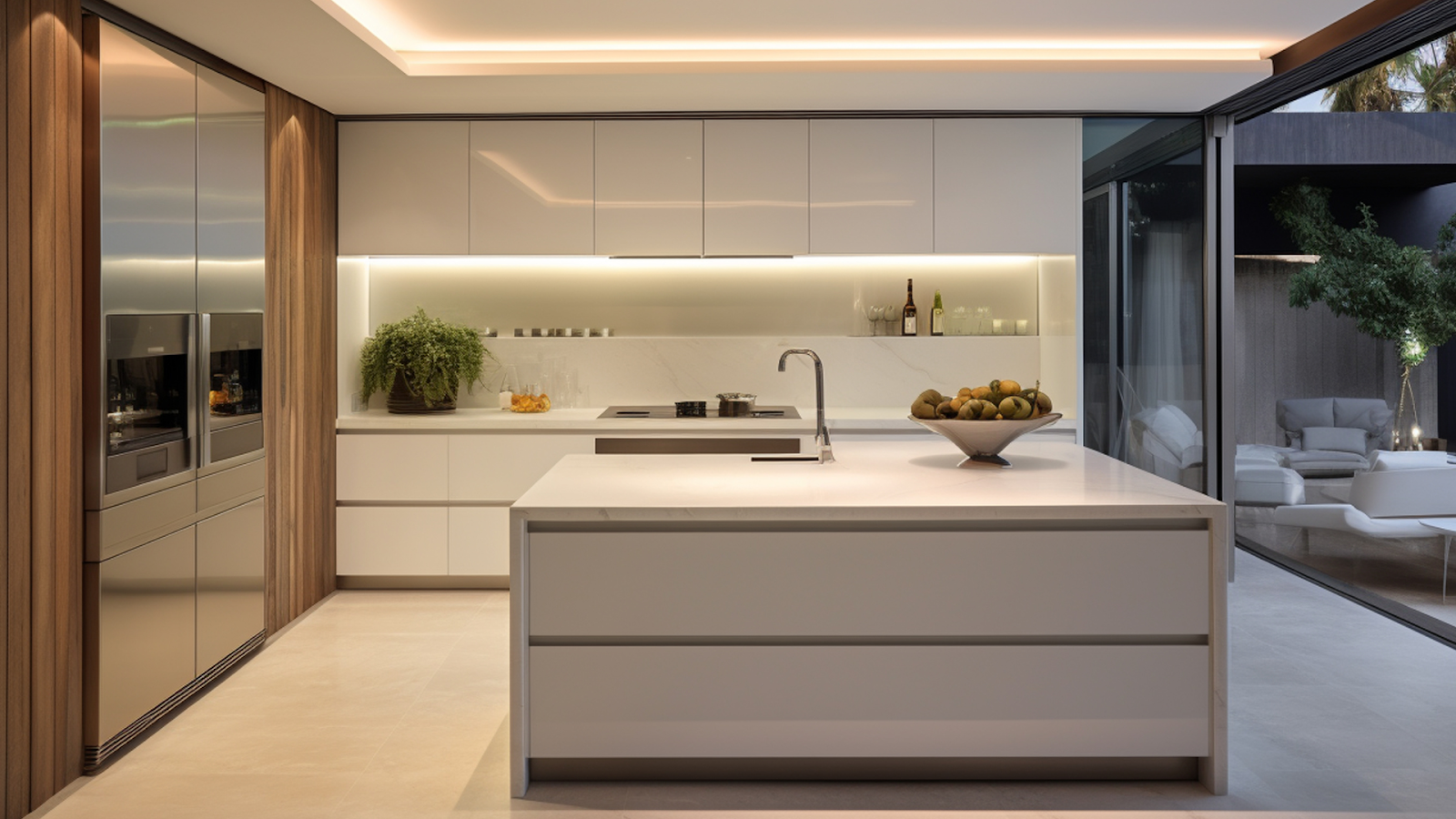
Ideal for homeowners who love clear and minimalist design.
Key Features:
Layout: An open space that shares a common area for the kitchen, dining, and living areas.
Cabinetry: Features clean and smooth cabinets with integrated or matte finish handles.
Color Palette: Follows a pastel and monochrome color tone, like grey, white, and beige.
Premium Countertops: Built with high quality materials like Granite and quartz.
Material Used: High quality materials like glass and metals, and stainless steel.
Smart lighting: LED lighting, strip lighting.
Island: Features a central island with a pendant light.
Traditional Kitchen Remodel:
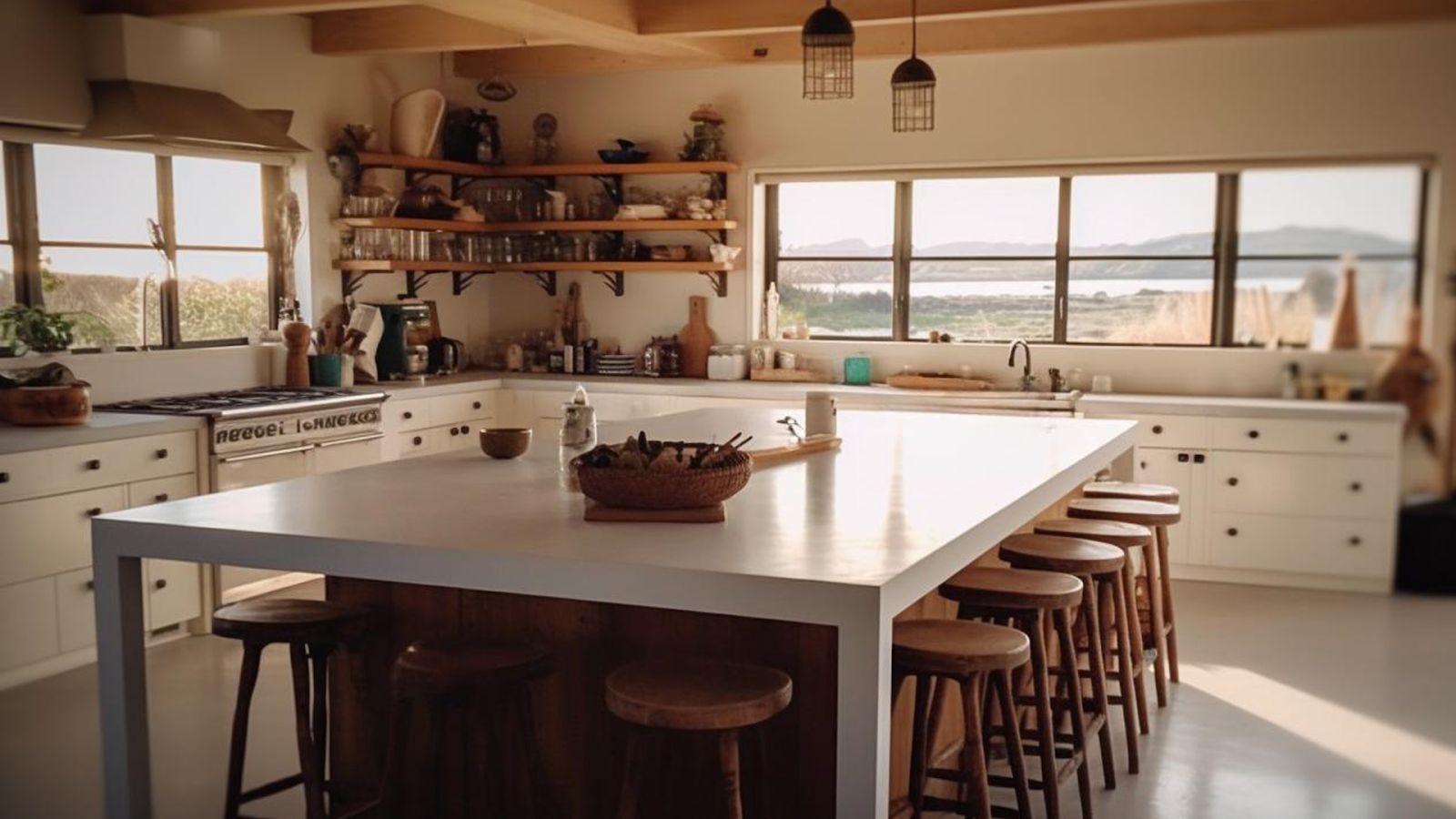
Perfect for those who love a classic, elegant look.
Key Features:
Layout: A symmetrical layout with clear cooking, cleaning spaces.
Cabinetry: Features embellished wooden cabinetry with raised panel doors.
Color Palette: Follows a classic color tone, like deep cherries and light beige, etc.
Countertops: A luxury countertop made of quartz and granite.
Lighting: Chandeliers and classic pendant lights.
Island: A separate island with a dining area.
Spanish Kitchen Remodel:
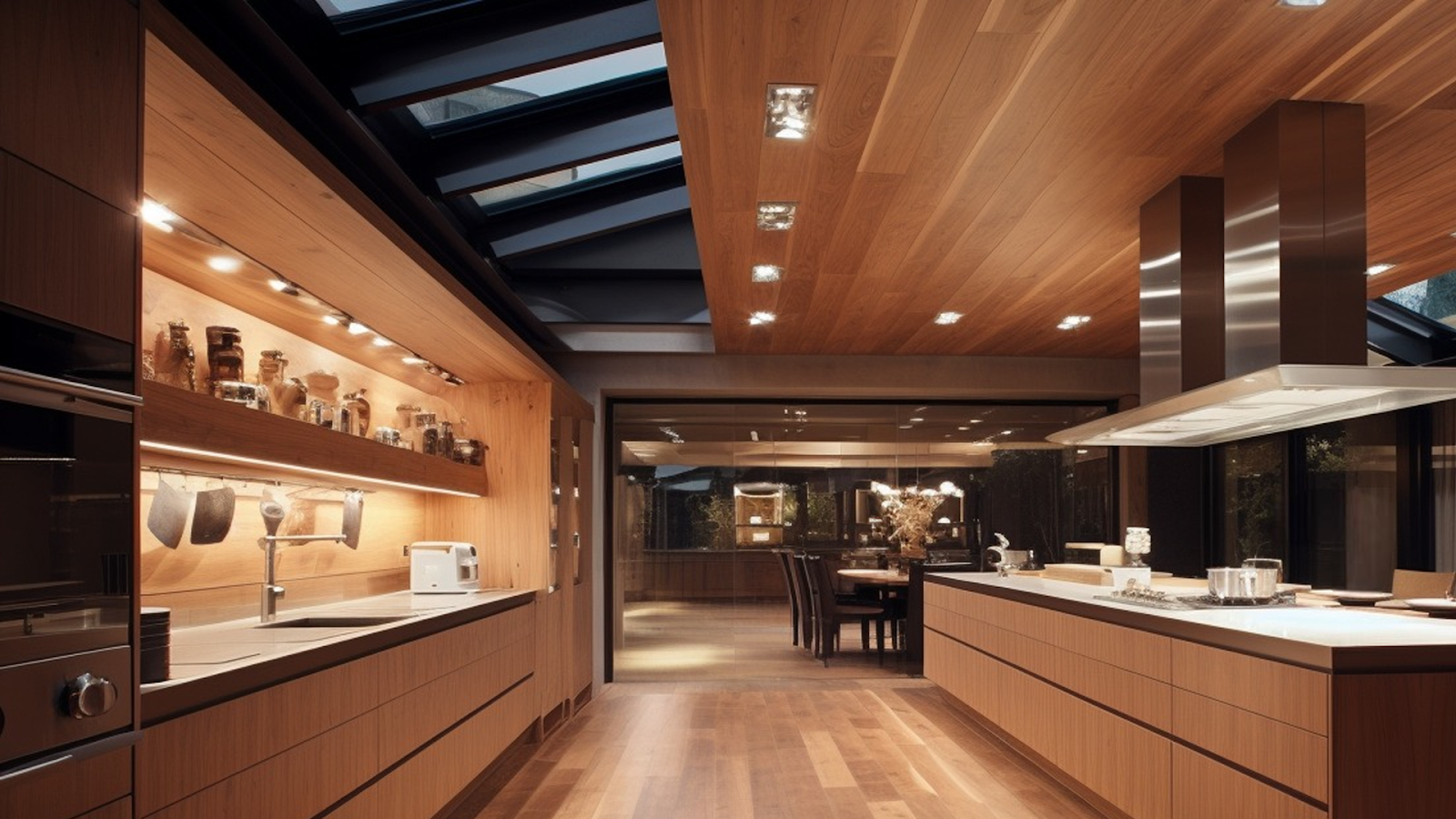
Inspired by Spanish and Mediterranean architecture, it blends old charm with a modern look.
Key Features:
Layout: An open floor plan sharing a common area for kitchen, dining, and living room.
Cabinetry: Features wooden cabinets with iron handles and open shelves.
Color Palette: A warm and earthy color tone, like burnt orange, mustard yellows, and ochre.
Countertops: Made with granite and marble.
Lighting: Iron chandeliers and pendant lighting.
Island: A large island is kept in the centre of the kitchen.
Bathroom Makeover:
Standard Style Bathroom:
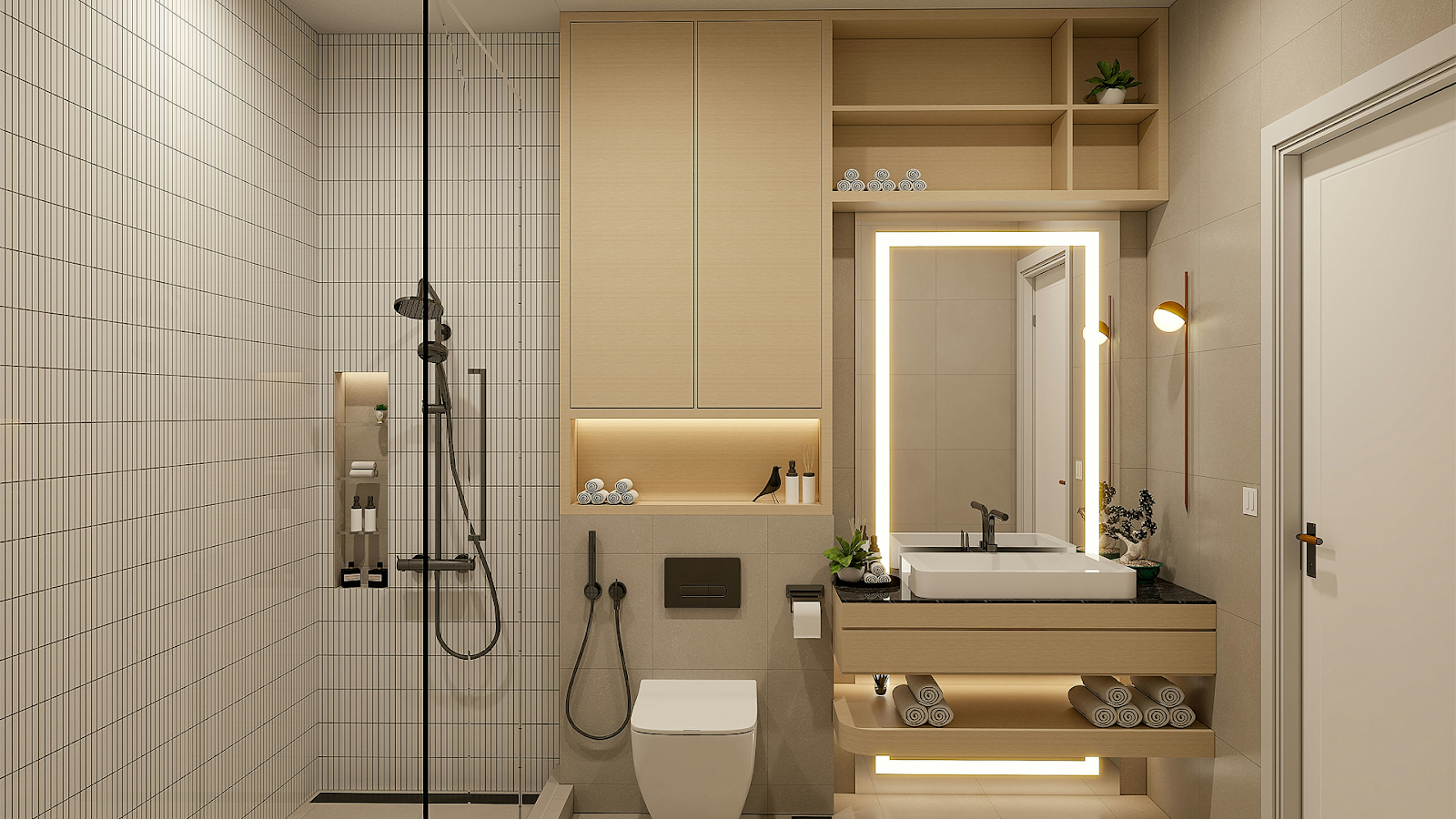
For homeowners looking for a modern classic look.
Key Features:
Design: A combination of modern and traditional touches.
Features: A bathtub, a mirror, and a shower with a glass enclosure. A vanity with a countertop, cabinets, and shelves.
Flooring: Ceramic and porcelain tiles.
Color Scheme: Neutral and earthy colors like grey, beige, and off white.
Lighting: Energy efficient lighting with ceiling fixtures.
Modern Style Bathroom:
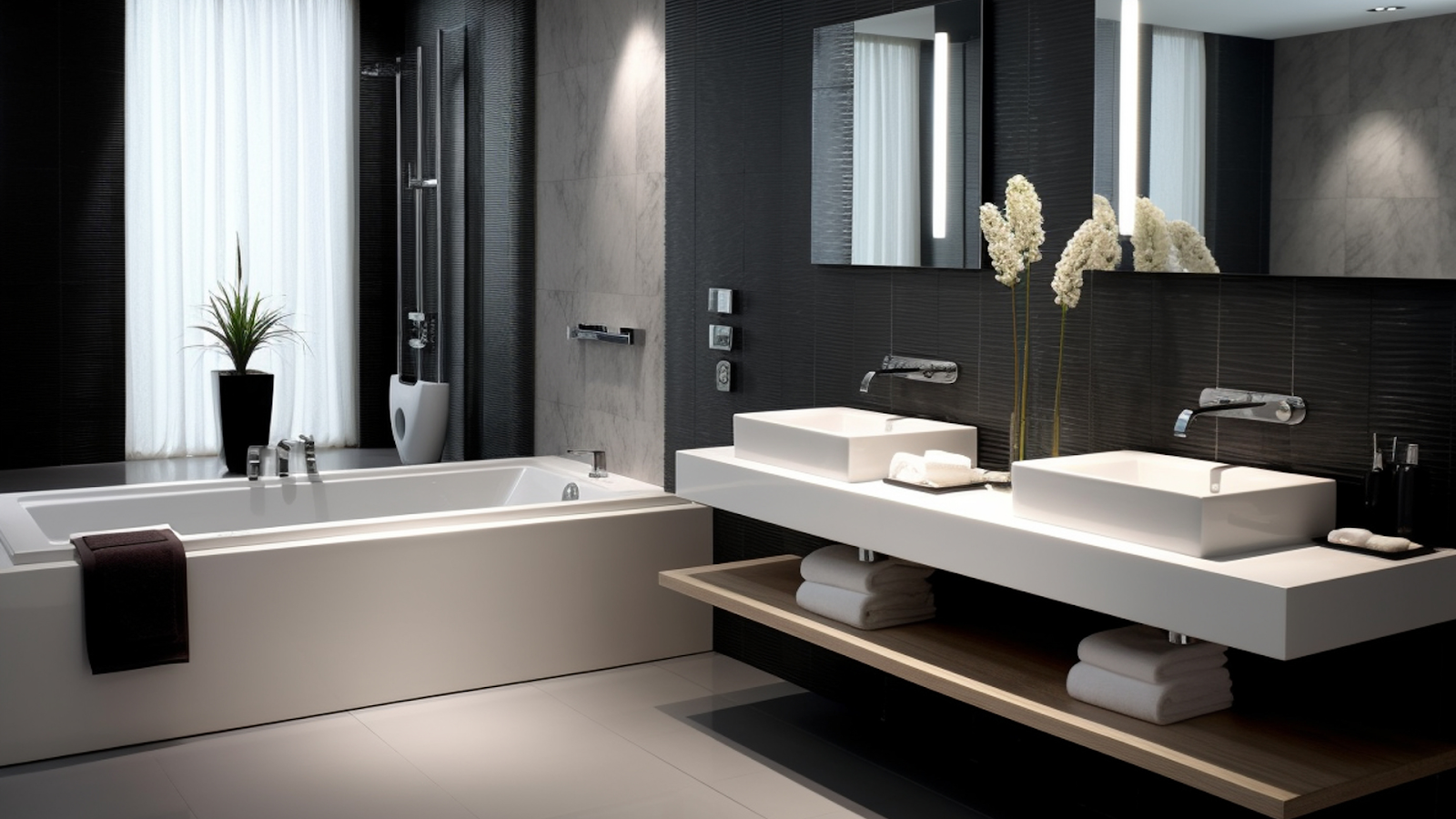
Create a spa like, elegant ambience.
Key Features:
Design: A clean, smooth, and shiny finish with minimalist designs.
Features: A floating vanity or wall mounted sinks, touchless faucets, smart showers, and a mirror.
Flooring: Quartz, vinyl tiles, porcelain, or ceramic tile.
Color Scheme: Pastel and monochrome color tone, off white, sky, and grey.
Lighting: Integrated lights, pendant lights that are digitally controlled.
Traditional Style Bathroom:
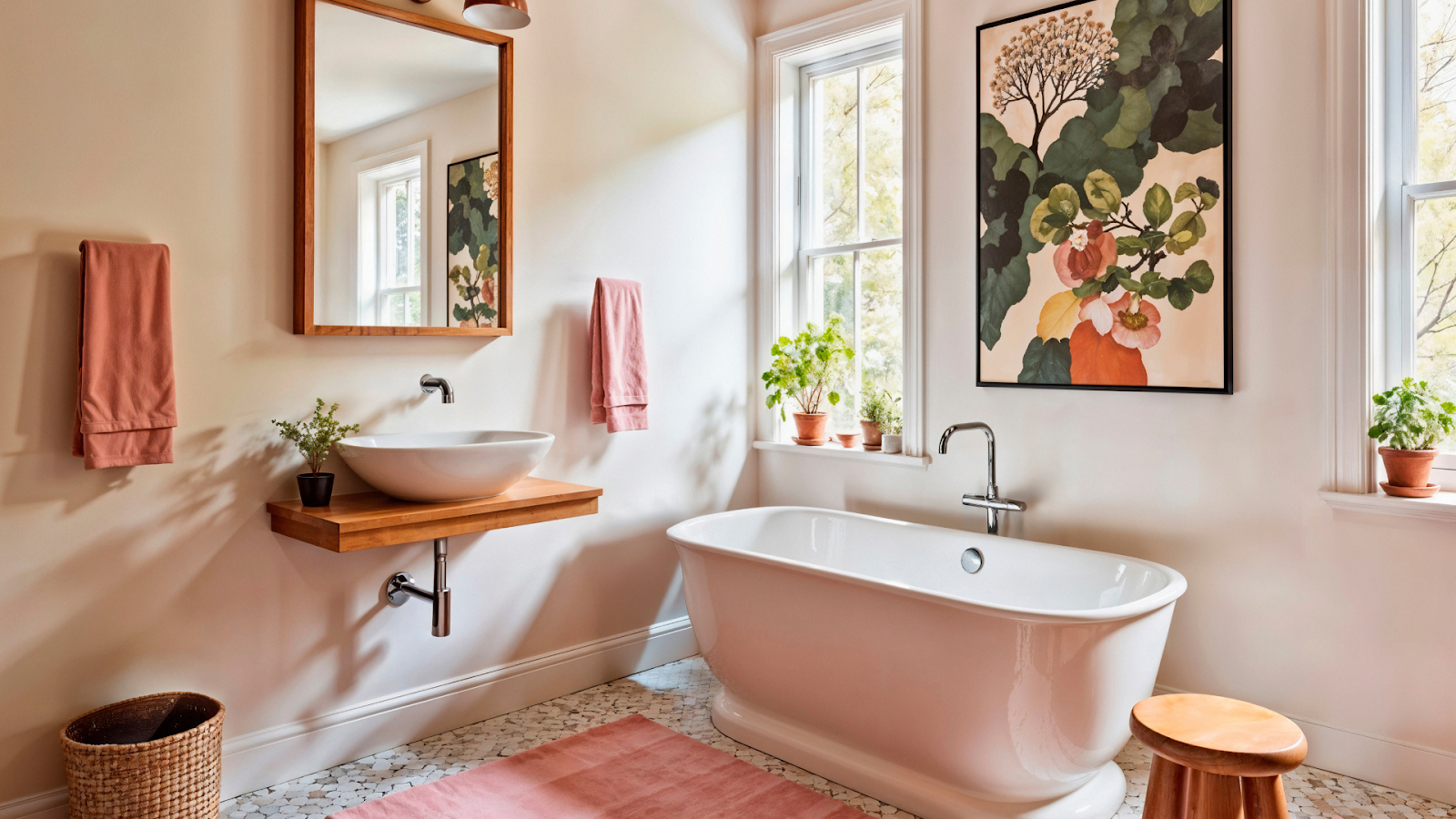
A classic, luxurious look with comfort.
Key Features:
Design: Warm, vintage, and nostalgic look.
Features: Free standing tubs, pedestal sinks, and a shower with a curtain enclosure.
Flooring: Classic tile pattern, wooden looking, or mosaic tiles.
Color Scheme: Warm tones like cream or ivory.
Lighting: Sconces or traditional chandeliers, traditional warm lights.
Living Space Transformation:
Bedroom:
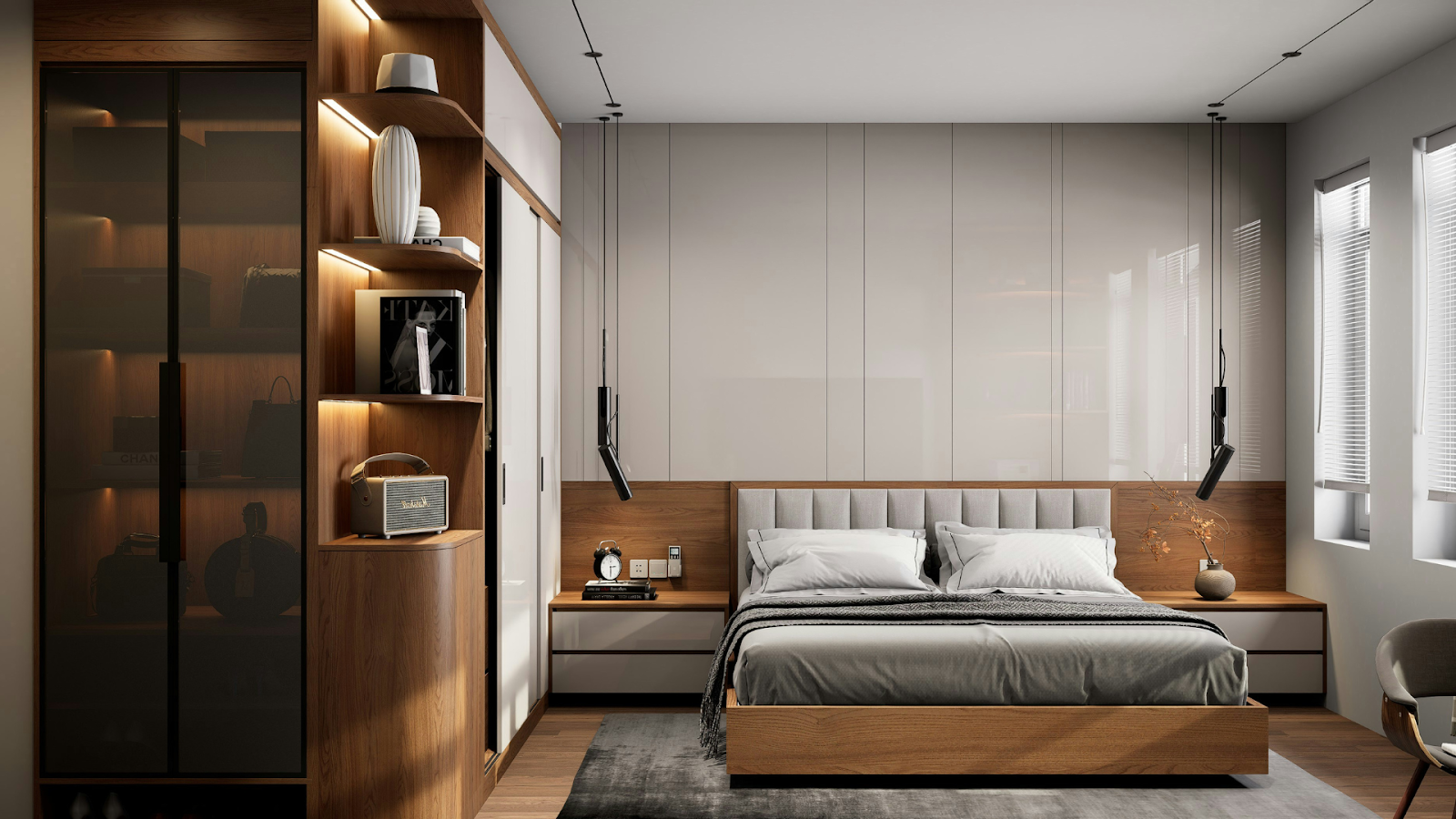
A private space to relax, unwind, and escape from the world.
Layout:
A built in wardrobe and wall mounted furniture
For a larger room, divide the area into sleeping, sitting, and working zones.
Ceiling Design:
A tray or coffered ceiling with soft ambient lighting.
Lighting:
A combination of ambient lighting (ceiling lights), strip lighting, smart bedside lights, and a warm lamp for a cozy setup.
Windows:
Floor to ceiling window (best for natural light and view)
Double glazed windows (great for noise cancellation)
French door(great for a room with a balcony)
Color Palette:
Calm and soothing vibe: Soft blue, grey, off white, and neutral tones.
Positive and energetic vibe: Light red, coral, warm orange, and beige.
Peaceful and refreshing vibe: Lavender, light pink, sky blue, and mint green.
Cool and bold vibe: Blue, teal, soft white, navy, and silver.
For example: Creating a bedroom with soft blue walls, Grey furniture, and off white ceiling.
Living Room:
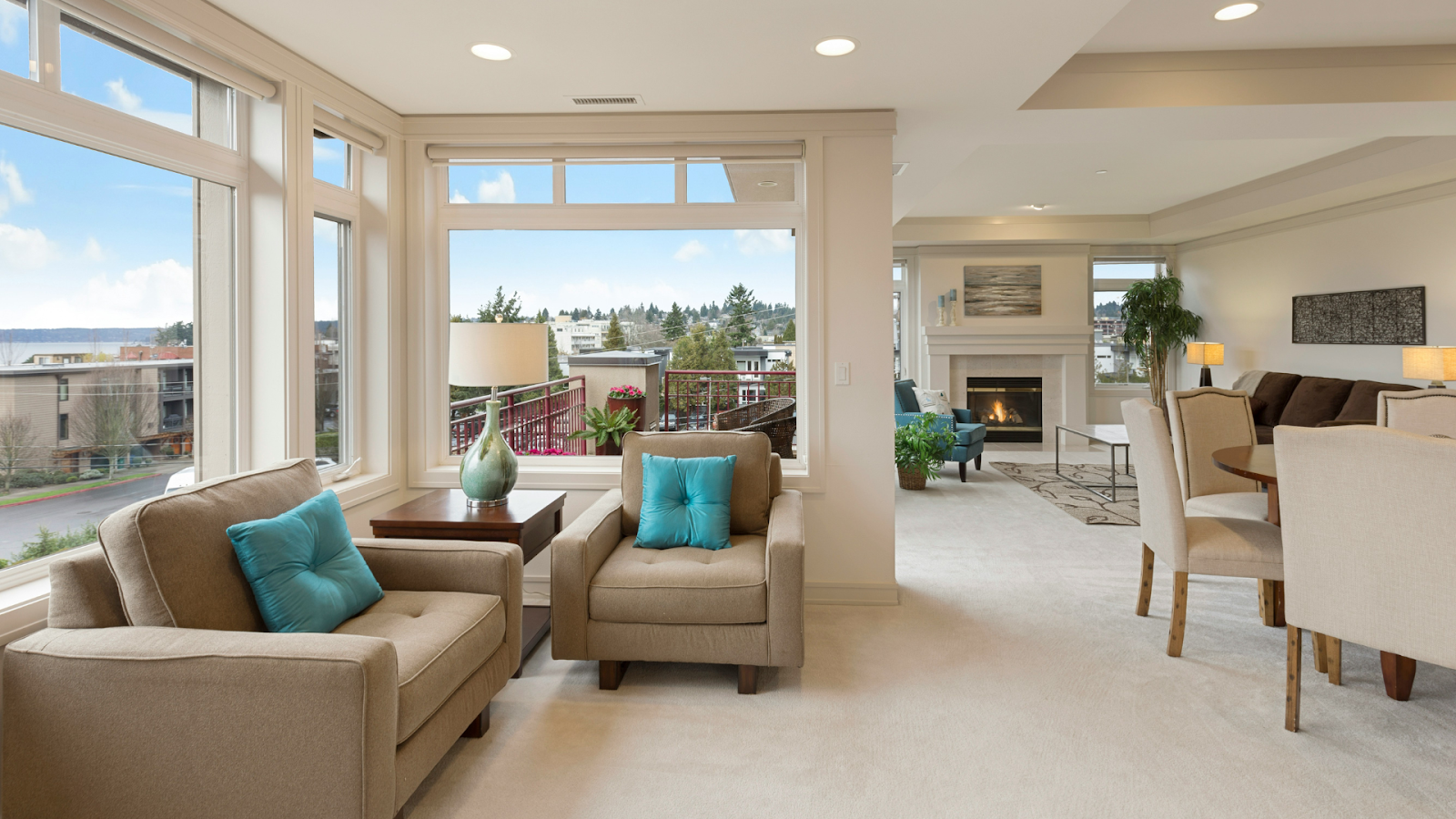
Centerpiece of the home, a place for relaxation and entertainment.
Layout:
An open layout that connects to the dining area and kitchen.
Use a sleek partition or glass divider for a modern look.
Ceiling Design:
False ceiling with LED lights or wooden beams.
Coffered ceiling with sunken panels.
Lighting:
Blend of pendant lights, wall sconces.
Smart lighting system
Windows:
Large glass windows or sliding doors
Color Palette:
Neutral colors like beige, taupe, and grey.
Dining Room:
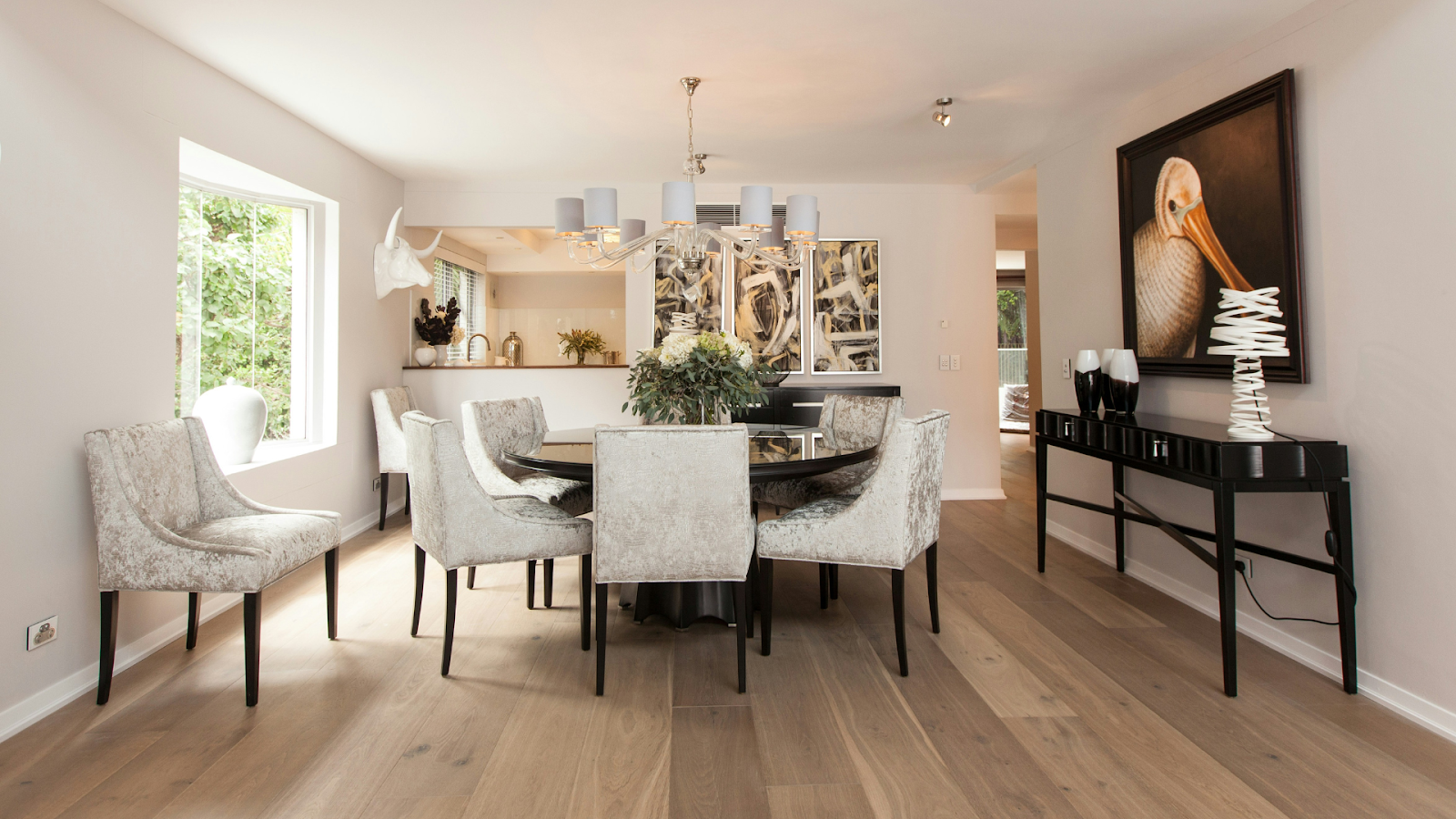
An important space of the house for family gathering.
Layout:
An open layout with a living room or kitchen.
Semi open layout open to the kitchen.
Ceiling Design:
Coffered ceiling with a chandelier
Exposed beam ceiling
False ceiling with a chandelier
Lighting:
Chandelier or Pendant Lights over the dining table.
wall sconces on either side of the wall.
Track or recessed lights.
Windows:
Large windows with sliding doors.
A bay or bow window for a modern classic look.
Double hung windows are best for ventilation and sustainability.
Color Palette:
Monochromatic theme(Modern look): Grey, black, and white.
Pastel theme(Contemporary look): Powder blue, lavender, and pink
Earthy theme(cozy look): Brown, terracotta, and green
Bold theme(glam look): Navy blue, burgundy, and emerald green
Note: Use a partial divider to separate the living room and dining room.
Outdoor Modification
Fence Installation:
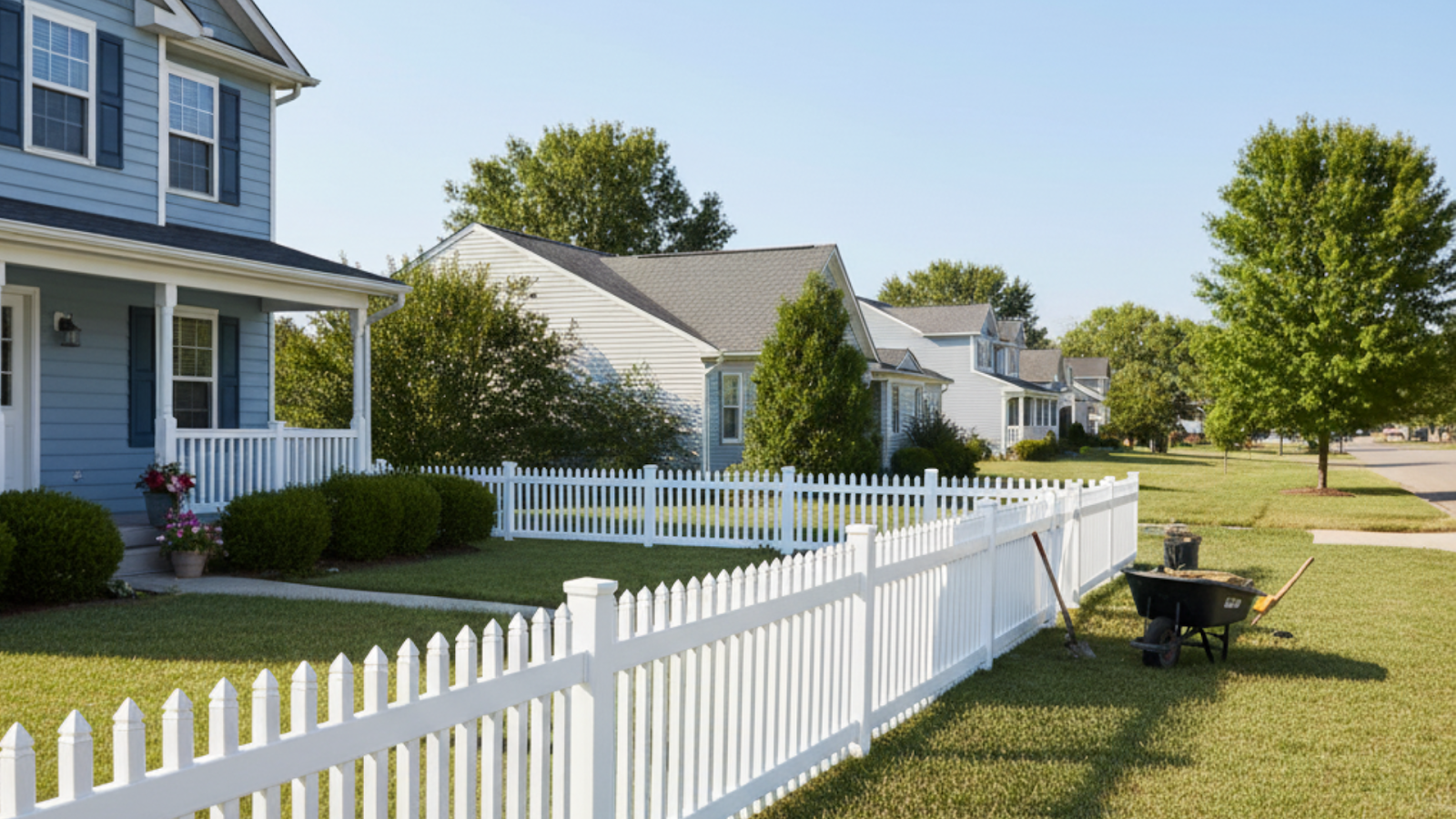
Material used: Wood, vinyl, or metal
Best for: Securing property and enhancing the overall house look
ADUs (Accessory Dwelling Units):
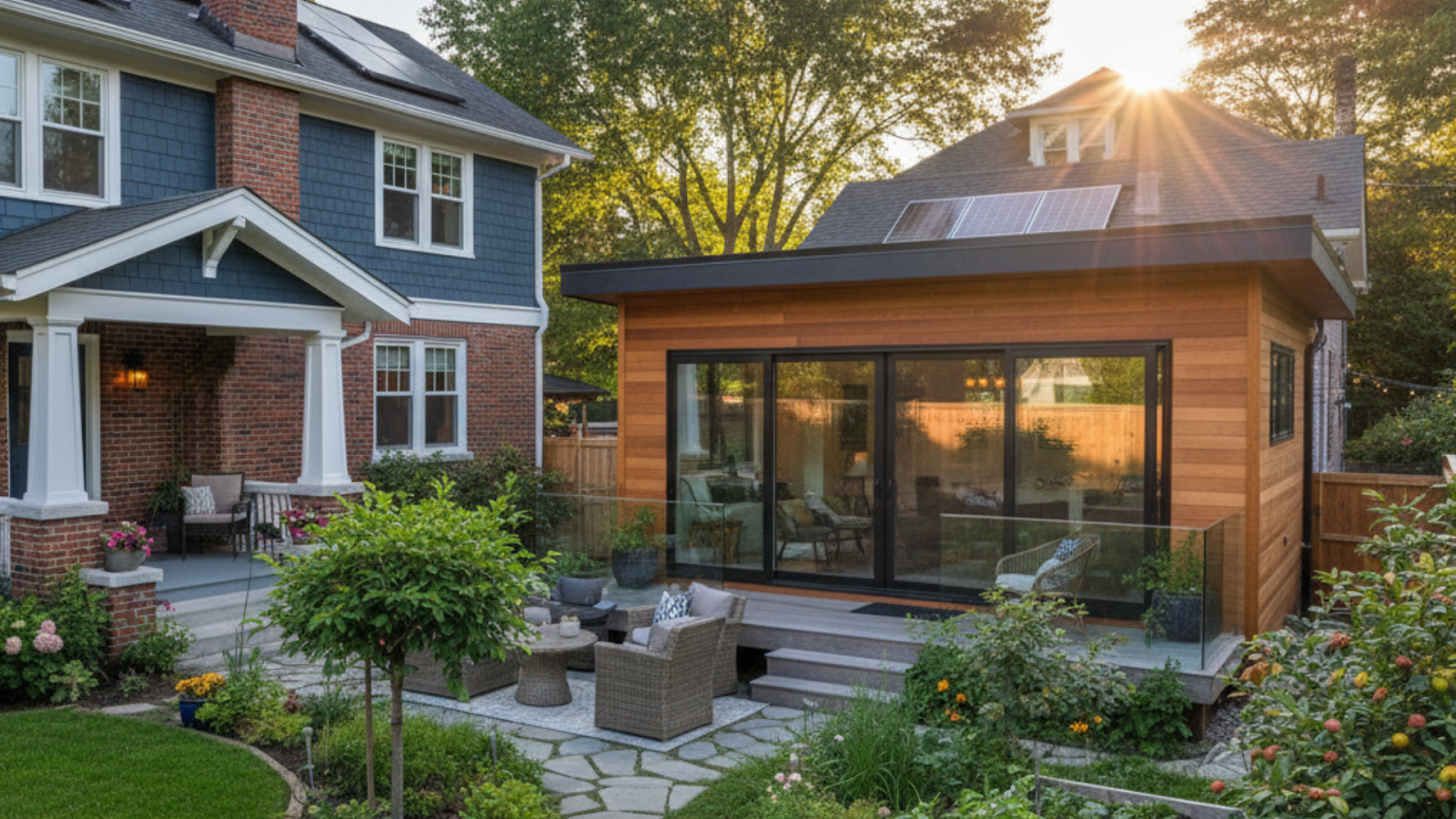
Material used: Wood, Steel, and Concrete
Best for: Rental income, home office, living space, and guest house.
Placement: Backyard, garage, wood, and vinyl siding.
Deck Installation:
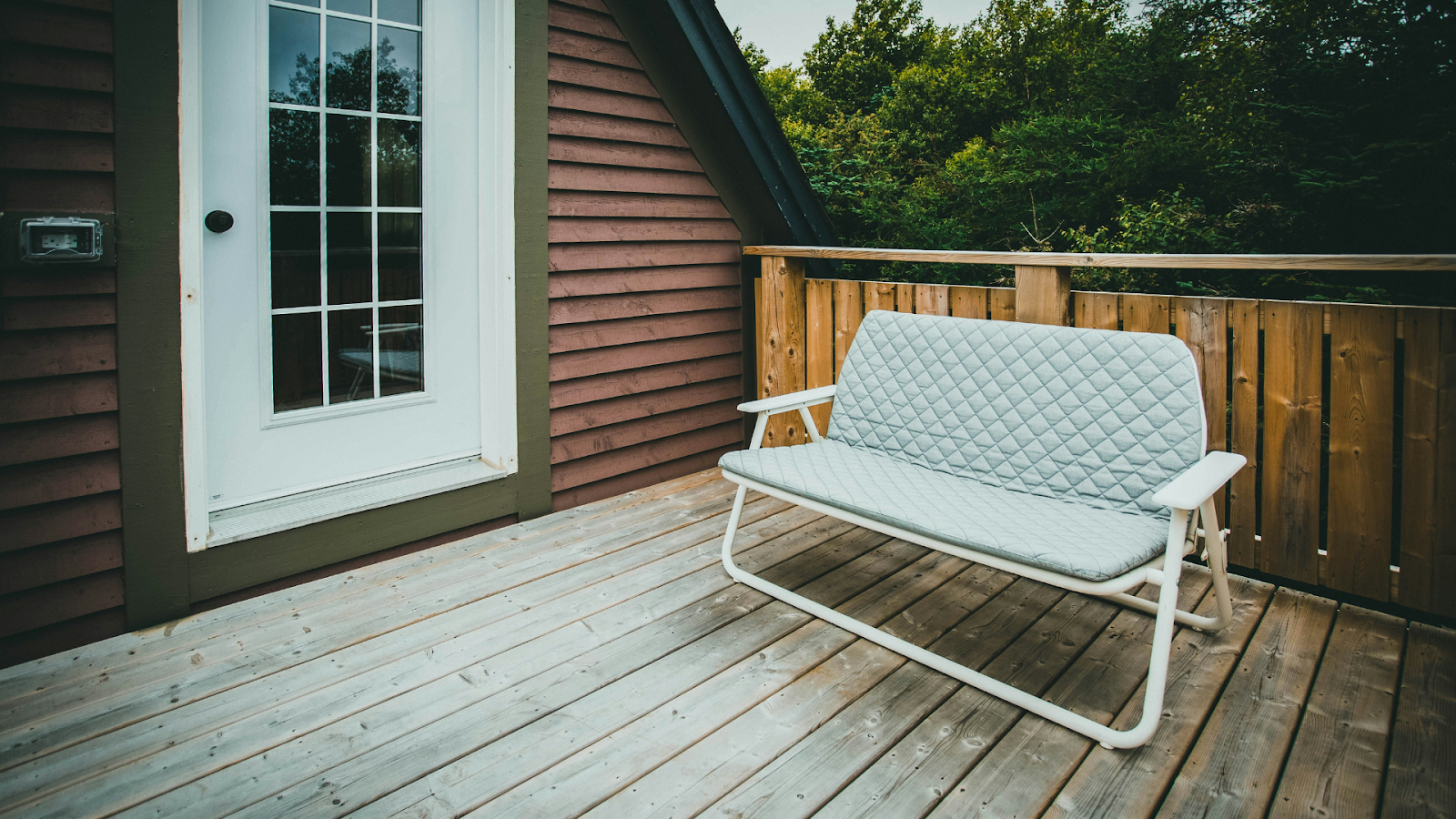
Material used: Wood, vinyl, or metal
Best for: Enjoying outdoors, dining, and relaxation.
Mistakes To Avoid During Home Remodeling
Budgeting: Ignoring the contingency budget for unexpected expenses.
Rushing the process:
Being too trendy: Designs that are on top might feel outdated after a few years. Opt for timeless designs.
Design Over Function: Make sure rooms are not only beautiful but also practical for everyday use.
Hiring the wrong contractor: The cheapest or first contractor may lack qualities or experience. Check credentials first.
Conclusion
A home remodel may seem like a big task, but with careful planning and the right professional, you can achieve the transformation you envision. Whether updating a single room or renovating the entire house, solid planning and clear communication with your contractor are key to a successful project.
With the right approach, your dream home is within reach.
FAQ
Q How long does a home remodel take?
A Most full home remodels can take 4 12 months to complete, depending on project complexity.
Q Do I need a permit for all remodeling work?
A Permits are usually required for major works like plumbing, structural, and mechanical upgrades. Small works like painting and flooring don't need permits.
Q What factors should homeowners consider when planning a kitchen remodel?
A When planning kitchen remodeling, make sure the company you hire provides you with the right materials. Also, check the ventilation system.
Q What is the 30% rule in remodeling?
A It's often noticed that whenever one starts home remodeling, the budget exceeds. So this 30% rule means one should not spend more than 30% of their house's market value.
Let's learn it through an example:
Imagine your home value is: $250,000
According to30% Rule Budget, you can spend: $75,000 (30% of $250,000)
So if you want to remodel your house, you should spend $30,000 on the kitchen, $15,000 on the bathroom, and $30,000 on the Living Room Expansion.
Total Cost: $75,000, which is exactly 30% of the home’s value.