What should I consider when planning a kitchen renovation?
Table of Contents:
Permits and Code Compliance
True Cost Structure
Planning
Choosing the Right Contractor
Design Strategy That Balances Beauty + Function
Conclusion
FAQ
Summary
Compliance First: Prioritize California Title 24 energy and SB 407 water standards to ensure your project complies with the law.
Permits are Critical: Always secure permits for electrical, gas, or structural changes to avoid "red tag", stop orders, and fines.
Budget for Surprises: Allocate a 15–25% contingency fund to cover hidden issues like outdated wiring or structural repairs.
Infrastructure Check: Verify the capacity of your electrical panel and gas line before purchasing modern, high load appliances.
Workflow Design: Organize your layout around the Storage → Prep → Cook → Clean flow to maximize daily efficiency.
A Kitchen renovation is more than a design project. Apart from your goal and budget, there are many important things to consider when remodeling a kitchen, such as regulatory requirements and assessing the existing structure.
You must navigate strict building codes, energy regulations, water efficiency laws, and complex permitting systems. Most kitchen remodel advice overlooks these realities, focusing on design trends instead of the legal, structural, and logistical factors that determine whether a project succeeds or fails.
Permits and Code Compliance
Permit Requirements
Permit and code compliance form the foundation for your kitchen renovation project. You need permits if your project involves:
Moving or adding electrical outlets
Modifying electrical panels
Relocating plumbing lines
Moving gas lines
Installing new ventilation systems
Removing or modifying walls
Changing window or door openings
Altering structural framing
Installing new lighting systems
Adding new circuits
Replacing mechanical systems
Ignoring permits and non-compliance can lead to:
Demolition of unapproved work
Red-tag project
Forced retroactive permits
Fines
Blocked final approvals
Building Codes
The following California building codes for kitchen renovation impact the design layout, lighting, appliance placement, cabinet configuration, ventilation, electrical layout, and plumbing of your kitchen:
California Building Code (CBC)
California Electrical Code
California Plumbing Code
California Mechanical Code
California Green Building Standards Code
Local municipal codes
Fire codes
Zoning overlays
Title 24 Energy Compliance
Title 24 is California’s energy code, which directly affects kitchens in three major ways, as shown in the table:
| Lighting | Ventilation | Electrical Efficiency |
|---|---|---|
|
|
|
SB 407 Water Compliance
If your kitchen renovation project involves plumbing work, then you will have to meet California’s water efficiency law (SB 407) requirements:
Low flow faucets
WaterSense certified fixtures
Flow restricted valves
Pressure regulation upgrades
Schedule a consultation to craft a dream kitchen for your home style
True Cost Structure
The cost of kitchen renovation in California depends on the scope of work, the city's fee structure, plan complexities, inspections, structural changes, and electrical and plumbing work.
Many homeowners fail to consider the following costs:
Skilled labor (electricians, plumbers, carpenters)
Licensing and insurance
Material and shipping
Setting up a temporary kitchen
| Category | Typical Cost Range |
|---|---|
| Design and planning | $2,000 – $10,000+ |
| Permits, plan review, and inspections | $800 – $10,000+ |
| Demolition and prep | $1,500 – $5,000+ |
| Structural work | $2,000 – $15,000+ |
| Electrical | $2,500 – $12,000+ |
| Plumbing | $1,500 – $8,000+ |
| Ventilation | $1,000 – $6,000+ |
| HVAC adjustments | $500 – $4,000+ |
| Cabinetry | $8,000 – $60,000+ |
| Countertops | $3,000 – $25,000+ |
| Appliances | $4,000 – $25,000+ |
| Flooring | $3,000 – $12,000+ |
| Lighting fixtures | $1,000 – $6,000+ |
| Backsplash and finishes | $1,000 – $5,000+ |
| Paint and finishing | $800 – $3,000+ |
| Waste and recycling | $500 – $2,500+ |
| Contractor overhead and management | 10–25% of labor cost |
| Compliance Upgrades | $500 – $5,000+ |
Table 2: Complete Kitchen Renovation Cost Breakdown
You cannot ignore contingency planning, especially if you are living in an older home. Demolition can reveal problems such as knob and tube wiring, aluminum wiring, galvanized wiring, asbestos, lead paint, foundation cracks, and outdated gas lines. Make sure you allocate 15–25% of your total budget as a contingency fund.
Planning
From cost control to long-term functionality, everything depends on your kitchen renovation plan.
Pre-Design
Structural Assessment
Walls should only be removed after proper structural assessments. Removing a wall without one can compromise load paths and create serious safety and code compliance risks, adding unplanned thousands in costs.
Utility Capacity Review
Evaluate the following to make sure that your project can support modern kitchen upgrades:
Electrical panel capacity
Gas line sizing and pressure
Water pressure and pipe sizing
Drainage slope and venting
Sewer line condition
HVAC load capacity
For example, induction ranges require a higher electrical load.
Regulatory Feasibility Check
Consider the following to ensure that your layout is legally approved:
Verify zoning restrictions
Check municipal overlay rules
Identify historical property restrictions
Review fire clearance rules
Confirm permit jurisdiction boundaries
Layout
Dividing your kitchen into the following functional zones to improve movement efficiency, safety, code compliance, and functional performance:
Prep zone
Cooking zone
Cleaning zone
Storage zone
Service zone
Social zone (if open concept)
Mapping Existing Infrastructure
This creates a technical map of what already exists in your home. Make sure you map the electrical, plumbing, gas, and ventilation systems.
| Electrical | Plumbing | Gas | Ventilation |
|---|---|---|---|
|
|
|
|
Choosing the Right Contractor
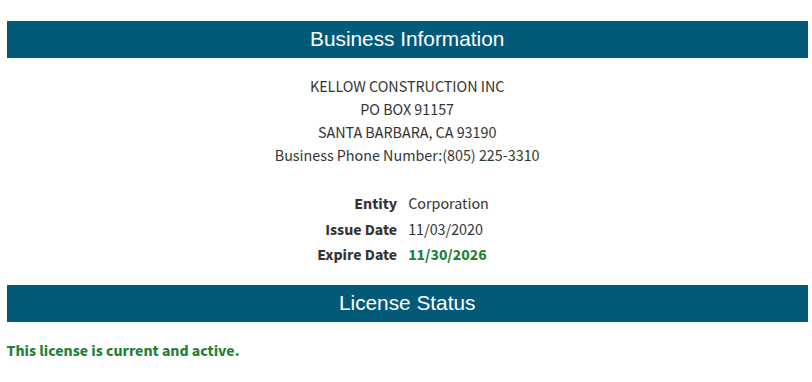
A kitchen renovation project requires an active, valid general contractor license. Electrical, plumbing, and HVAC work requires specialized licensing. You can visit the website of the Contractors State License Board to verify your contractor’s license.

Your contractor must carry general liability insurance and workers’ compensation insurance.
Bonding is a financial security that protects you from:
Contractor abandonment
Failure to complete work
Contract violations
Financial misconduct
Design Strategy That Balances Beauty + Function
Functional Design Principles
Kitchen Workflow
A functional kitchen supports the following natural movement flow:
Storage → Prep → Cook → Plate → Clean
The pantry and trash should be placed near the prep zones. The sink, refrigerator, and other appliances should be easily accessible. An ideal functional layout minimizes movement and reduces congestion and fatigue.
Clearance and Ergonomics
Poor clearance can lead to collision points, bottlenecks, accessibility issues, and safety hazards. Always consider the following:
Appropriate counter height
Safe appliance clearance distances
Door swing clearance
Wide walkways for a multi-user kitchen
Island spacing for appliance access
Storage
Your kitchen storage should be engineered, not decorative. Consider the following:
Vertical storage optimization
Deep drawer systems instead of base cabinets
Pull out systems for heavy items
Zoned storage by function
Hidden utility storage
Efficient storage reduces clutter, improves workflow, and increases usable space within the available square footage.
Material Selection
The selection of materials is a performance based decision, not a style choice, as every kitchen has to handle the following:
Heat
Moisture
Chemical cleaners
Abrasion
UV exposure
Material Selection for Zones
| Zone | Performance Requirements | Recommended Materials |
|---|---|---|
| Countertop |
|
|
| Cabinetry |
|
|
| Flooring |
|
|
| Backsplashes |
|
|
Ventilation
Ventilation is a technically critical but mostly ignored element of kitchen renovation. Poor ventilation leads to:
Moisture buildup
Mold growth
Grease accumulation
Air quality degradation
Structural moisture damage
Odor retention
Fire risk
Appliance performance issues
Your ventilation design must match your:
Cooking type
Appliance output
Kitchen size
Ceiling height
Air volume
Heat output
Ventilation becomes a safety hazard without make up air planning. High powered ventilation systems require make-up air to prevent:
Negative pressure zones
Backdrafting
Appliance combustion issues
Indoor air quality problems
Conclusion
Renovation not only makes your kitchen more efficient and functional, but also increases the value of your home. A licensed contractor for kitchen renovation takes care of everything from getting permits to final inspections.
Kellow Construction is a Santa Barbara based remodeling company you can rely on for your kitchen renovation.
Schedule a consultation today!
FAQ
Is $30,000 enough for a kitchen renovation?
$30,000 is a low-to-mid-range budget for a cosmetic refresh, but it is insufficient for a full remodel. You need $50,000–$75,000+ for a full-scale renovation.
What is the 60-30-10 rule for kitchens?
This rule is a color theory guide:
60% primary color (cabinets/walls)
30% secondary color (flooring/counters)
10% accent color (hardware/backsplash)
How Long Does a Kitchen Renovation Take?
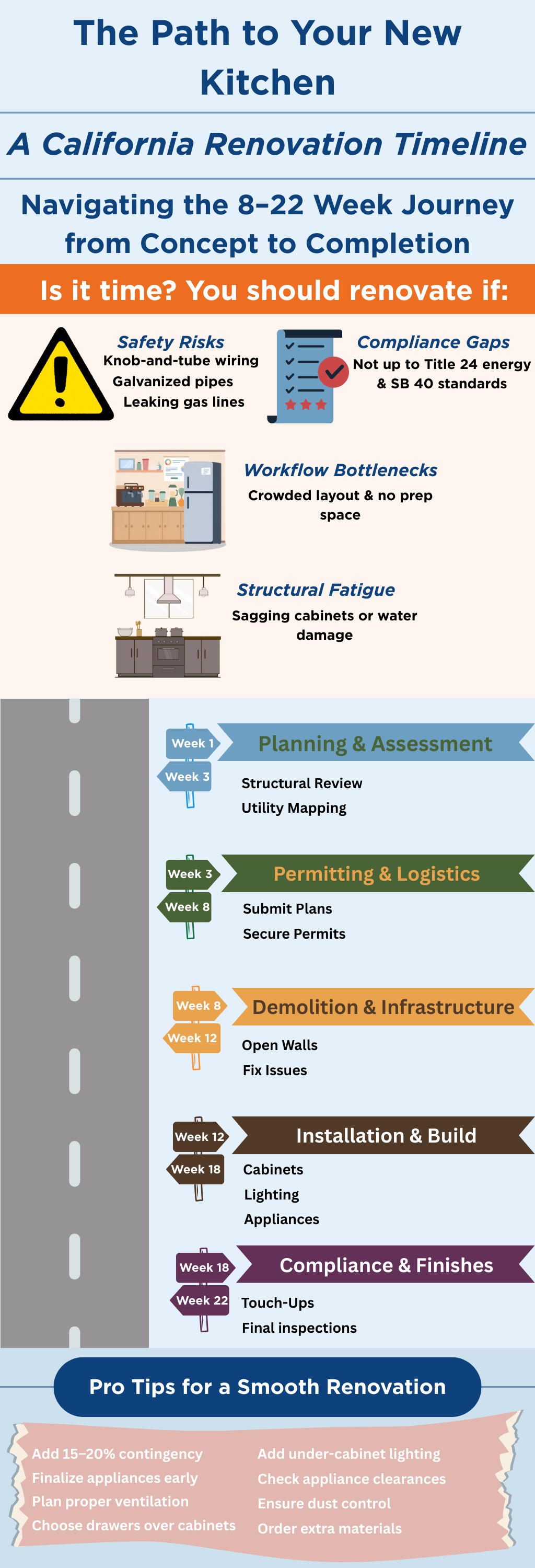
Depending on the scale of the project, a kitchen renovation can typically take 8 to 22 weeks, from planning and obtaining permits to final installation.
Can I still live in my house while my kitchen is being renovated?
Yes, you can, but you need a temporary kitchen setup and a budget for eating out, as gas, water, and electricity will be frequently disconnected during the renovation.