Best Time of Year to Start a Home Remodel?
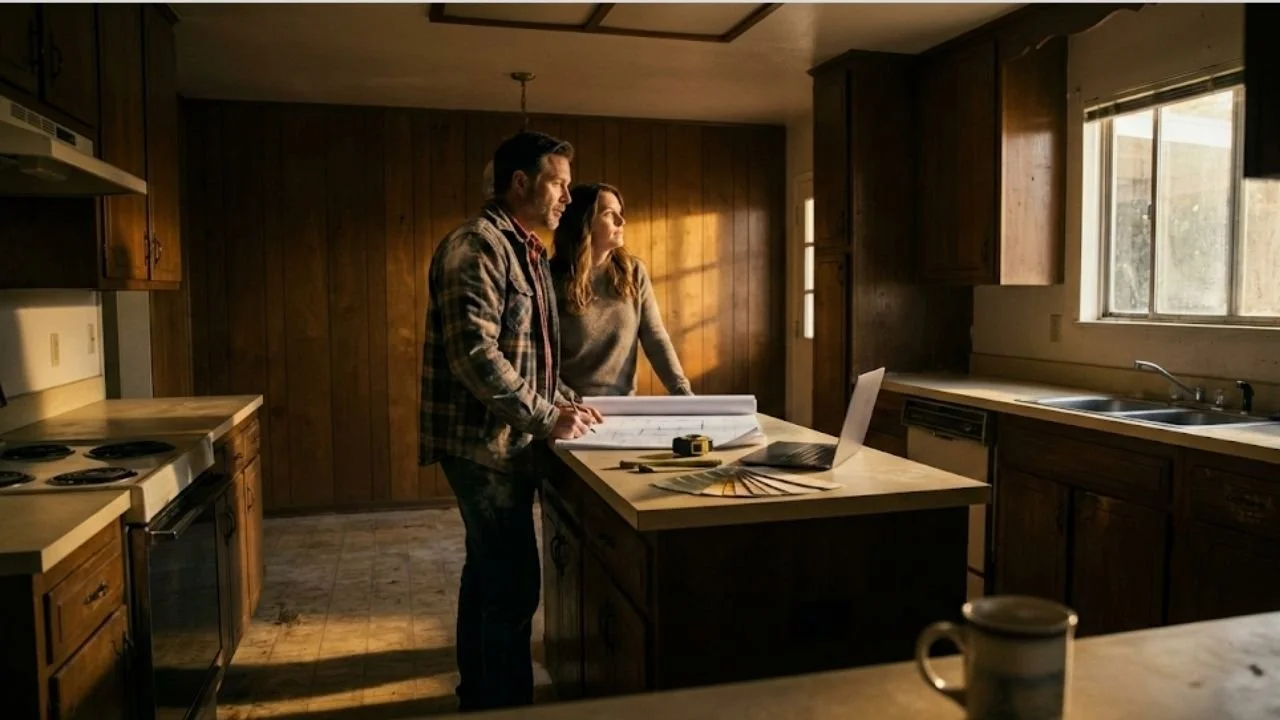
Most homeowners operate on a simple, but flawed, assumption: Summer is the best time to remodel because the weather is nice.
If you are painting a fence, sure.
But for major structural renovations, additions, or full kitchen overhauls, relying solely on the weather is a rookie mistake.
According to the latest data from the National Association of Home Builders (NAHB), nearly 48% of U.S. homes were built before 1980. The remodeling market is crowded. If you wait until June to call a contractor because the sun is shining, you are joining the longest line of the year. You will face peak labor pricing, material bottlenecks, and contractors who are stretched thin.
The "best" time to remodel isn't just about sunshine. It is about three factors most people ignore: Permit Office Availability, Labor Capacity, and Supply Chain Logistics.
At Kellow Construction, we don’t just build; we plan. Whether you are looking for design build remodeling services or a simple update, here is the honest truth about when you should actually break ground.
If you want a straightforward answer:
How Long Does a Remodel Really Take?
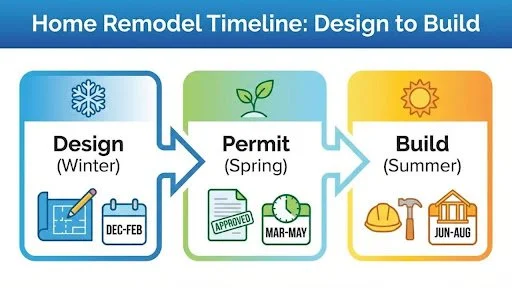
Even a “simple” remodel usually spans months and more than one season once design, permits, and inspections are included. Setting realistic expectations up front makes it easier to pick a smart start date.
Typical Timeline for Major Projects
Most substantial remodels follow a similar pattern:
Design & selections: approximately 4–8 weeks for layout, finishes, and approvals.
Material lead times: cabinetry alone can take 8–14+ weeks, with additional time for countertops, fixtures, and appliances.
Construction & installation: typically 4–12 weeks, depending on scope and complexity.
That means many kitchen, bath, or large interior remodels take at least 4–8 months from the first design meeting to the final walk‑through. Real‑world homeowner experiences often stretch this further once permit reviews and scheduling are included, so it is normal for a larger project to cover multiple seasons.
For a full‑home remodel or multi‑room project in Santa Barbara, a design‑build team can help you map these stages clearly during a consultation so your daily life stays as smooth as possible.
Room‑Specific Timelines
Different spaces have different timing needs:
Kitchens often run longer because of cabinetry, custom millwork, and appliance coordination.
Bathrooms tend to be slightly shorter but involve complex plumbing, waterproofing, and tile work in a small footprint.
Additions and ADUs add foundation, framing, and exterior work that are more weather‑sensitive.
If you are focused on a single room, you can pair this timing guide with design inspiration and planning content, such as Kellow’s posts on small kitchen remodel tips and bathroom remodel ideas.
What Actually Determines the “Best” Time?
Seasonal weather is only one piece of the puzzle. Labor availability, material costs, permits, financing, and your own schedule matter just as much.
Contractor & Trade Availability
The construction labor market is tight nationwide, and remodelers feel that pressure. In general:
Summer: Strongest demand, crews are heavily booked, and trades often charge peak rates.
Fall and winter: More capacity opens up, making it easier to secure experienced teams and get personalized attention.
Remodeling demand typically peaks in the spring/summer, whereas data shows construction hiring slows dramatically in winter. Common wisdom from Bay Area homeowner forums notes winter as prime time for contractor bandwidth—a pattern that fits Santa Barbara's coastal market.
Working with a firm that manages the design‑build remodeling process can further smooth labor scheduling.
Material Costs and Supply Chain Lead Times
Material pricing has stabilized compared with the extreme swings early in the decade, but seasonality still matters. Recent construction cost reports from Gordian highlight:
Concrete block saw modest 2.5% Q4 increase after yearly stability between $2.39 $2.46 per unit.
Framing lumber rose steadily through three quarters, then dipped 3.52% in Q4 due to improved mill output.
Metals like copper experienced volatility (12% Q3 surge, 0.37% Q4 dip), while overall material costs rose just 2.61% YoY.
Demand patterns also play a role: material prices and lead times tend to be higher during peak building seasons and more favorable during winter. Planning and ordering in winter, then building in spring or summer, lets you capture lower off‑season prices while still enjoying favorable construction weather.
Permits, Holidays, and Government Delays
Permits and inspections often take longer than homeowners expect. City and county offices close on federal holidays and may reduce hours around year‑end, which can quickly extend approval timelines. NAHB economist Na Zhao notes that limited new construction (just 10% of stock from 2010 2021) drives remodeling demand, amplifying seasonal backlogs (full Eye on Housing post here).
Typical patterns many homeowners see:
Spring: 4–6 weeks for permit review as everyone rushes to start projects.
Summer: 6–8 weeks or more during peak backlog.
Fall/winter: often 4–6 weeks when offices are fully staffed, and demand is lower, excluding major holidays.
For Santa Barbara‑area remodels, Kellow’s team routinely manages permitting as part of its pre‑construction and design services, which can help you avoid common timing pitfalls.
Financing, Equity, and Tax Credits
Financing can also influence when you should begin:
Home equity lines of credit (HELOCs) often have multi‑year draw periods, making them well‑suited for phased remodels.
Renovation and home‑improvement loans may be approved faster but are less flexible than HELOCs for long projects.
Energy‑efficient upgrades (such as insulation, windows, doors, heat pumps, or high‑efficiency HVAC) may qualify for federal and state incentives, with many credits tied to the calendar year. Starting in January can help you align project completion and tax filing in the same year, while beginning in late December could push benefits into the following year.
For homeowners weighing timing, pairing this article with a financing explainer—such as a “HELOC vs. renovation loan” guide—helps you make a more informed decision before you commit to a start date.
Don’t guess when to start. Get a clear project roadmap tailored to your specific goals and deadlines.
Schedule a Free Consultation
Best Time by Season: Data‑Backed Breakdown
| Season | Best Projects | Contractor Availability | Material Costs | Daylight Hours | Weather | Key Advantage |
|---|---|---|---|---|---|---|
| Spring (Mar–May) | Additions, roof replacement, siding, windows | Medium–High | Medium | High | Mild temps, occasional rain | Longest days, ideal for exterior work |
| Summer (Jun–Aug) | Large additions, patios, driveways, structural work | High | Very High | Low | Warm, dry | Longest working days (6am–8pm), vacation timing |
| Fall (Sep–Nov) | Kitchen updates, bath remodels, roof replacements | Very High | Medium–Low | Medium | Cool/mild, fewer extremes | ~70% less demand, finish before holidays |
| Winter (Dec–Feb) | Interior projects, bathroom/kitchen remodels, flooring | Low | High | Low | Cold, potential delays | Lowest costs, highest availability |
Each season has strengths and trade‑offs. The right choice depends on whether your project is interior or exterior, how flexible your move‑out/move‑back schedule is, and whether you are chasing savings or speed.
Spring (March–May): Exterior Kick‑Off Season
Spring is a strong choice if you are focused on exterior work and want everything wrapped up before summer travel or fall holidays. It is especially suited to:
Roofing replacement and repairs.
Siding and exterior cladding upgrades.
Window and exterior door replacements.
Additions that require excavation and foundation work.
Mild temperatures, longer days, and more predictable weather in many markets support steady progress, although spring showers can still cause occasional delays. The NAHB recognizes May as National Home Remodeling Month, which often coincides with heavier marketing and booking activity from contractors. Because of that demand spike, homeowners in markets like Santa Barbara should aim to finalize plans and permits during fall or winter, then break ground early in spring before schedules fill.
Summer (June–August): Fast Progress, Peak Demand
Summer brings the longest days and, in most regions, the driest weather, making it the most productive period for large structural and exterior projects. It is often the most practical time for:
Major additions, structural changes, and whole‑house projects that require consistent outdoor access.
Concrete patios, driveways, and outdoor living areas.
Interior work timed with family vacations, when you can be out of the house.
However, summer is also the busiest and most expensive season. Construction demand surges then, leaving crews booked months in advance. Material and labor costs tend to be near their annual peak due to strong demand, and you may pay a premium for tight timelines or last‑minute changes.
Fall (September–November): Contractor Sweet Spot
For many homeowners, fall is the best overall season to start a remodel. Contractor demand cools after the summer rush, giving you more options, more attention, and sometimes more competitive pricing. Cooler temperatures also make interior work more comfortable for crews, which can support predictable schedules.
Fall works very well for:
Kitchen remodels you want completed before holiday gatherings.
Bathroom remodels are timed between summer travel and winter storms.
Basement finishing or interior layout updates.
Roof replacement and exterior maintenance before heavier winter rains.
Construction market data shows that as summer projects wrap up and new starts slow, labor availability rises, and material pricing can stabilize or even soften compared with peak months.
Winter (December–February): Planning and Interior Advantage
Winter is often underestimated. While it can be challenging for exterior work in colder climates, it is a powerful time to:
Complete interior‑only projects like kitchens, bathrooms, flooring, and painting.
Finish basements and attics.
Plan design, finalize drawings, and order long‑lead materials for spring and summer builds.
Demand is usually lowest, which increases contractor availability and can create more room to negotiate around scheduling or scope. Material cost reports show that prices and lead times are often most favorable in the slower months because manufacturing and supply chains are under less strain.
Best Time to Remodel Specific Spaces
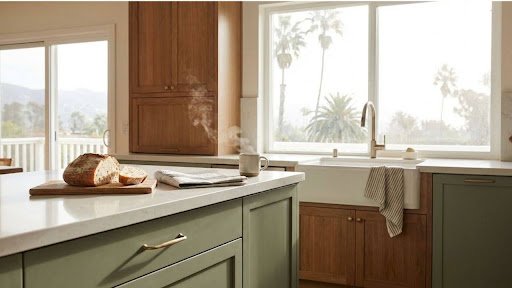
(Alt Text: Completed modern kitchen remodel in Santa Barbara featuring custom cabinetry and island.)
Different rooms benefit from different timing strategies. Optimizing space can help you avoid delays and stress.
Best Time to Remodel a Kitchen
Kitchens are among the most disruptive and complex remodels due to plumbing, electrical, and cabinetry coordination. Many homeowners find that:
Fall and winter are ideal start times for kitchen remodels, especially if you want the space ready for spring and summer entertaining.
Winter design work, followed by spring demolition and installation, balances lead times, contractor availability, and your household schedule.
You can explore layout and style ideas beforehand through resources like guides on small kitchen remodel strategies and budget‑friendly kitchen remodels. When planning cabinetry, it also helps to check trends early using posts such as Hottest Kitchen Cabinet Colors for 2025, since color and style choices can influence lead times and pricing.
For Santa Barbara homeowners ready to take the next step, Kellow’s dedicated kitchen remodel services offer a clear path from design concept to finished space with one coordinated team.
Best Time to Remodel a Bathroom
Bathrooms are less weather‑dependent than exterior projects but still benefit from thoughtful timing. Many homeowners prefer:
Fall or winter start for bathroom remodels, when they are spending more time at home and can coordinate temporary work‑arounds.
Scheduling around travel or guest visits so the disruption is minimized.
If you are unsure whether your bathroom is truly due for an update, posts like 7 Clear Signs Your Bathroom Needs a Remodel can help you gauge urgency. Once you decide to move forward, you can pair this timing article with bathroom remodel services to align design, schedule, and budget.
Best Time for Additions, ADUs, and Whole‑House Remodels
Additions, ADUs, and full‑home remodels combine exterior and interior work, so they naturally span multiple seasons. A common pattern is:
Design and permitting in late fall or winter.
Foundation and framing in spring or early summer, when ground conditions and weather are favorable.
Interior finishes in late summer or fall.
Because these projects are more complex, working with a firm that specializes in whole house remodels and additions in the Santa Barbara area can help you navigate structural, historic, and neighborhood considerations more easily.
Hidden Timing Traps to Avoid
Beyond seasons, a few less obvious factors can derail a well‑planned remodel if you ignore them.
Permit Office Calendars and Holiday Slowdowns
Starting a permit‑heavy project right before major holidays can introduce weeks of avoidable delay. Avoid holiday starts because city permit offices are closed during this time, and inspectors and contractors also often take time off.
To stay ahead: Submit permit applications at least several weeks before major federal holidays. Use quieter periods (late winter or late summer) to get approvals in place before the next wave of demand.
Coordinating Material Lead Times With Seasons
Cabinets, custom millwork, specialty windows, and some fixtures can take months to arrive, especially during peak building season. A more strategic sequence is:
Design and finalize selections in winter.
Place orders so materials arrive in early spring.
Start construction when both materials and contractors are ready, often in spring or early summer.
Labor Availability by Trade
Different trades face different demand spikes. For example:
Framers and roofers are busiest in spring and summer.
Finishing trades like painters, tile installers, and trim carpenters often have more slots in the fall.
Interior specialists (flooring, cabinetry, finish carpenters) frequently see more availability in winter.
A single design‑build team coordinates all these trades for you, but understanding the pattern helps you appreciate why your project schedule is structured the way it is.
Phasing Your Remodel Across Seasons
Not every project needs to happen all at once. In fact, many homeowners prefer a phased approach that aligns with budget, time away from home, and evolving needs.
Sample 18–24 Month Phased Plan
A practical phased plan might look like:
Year 1, Fall: Roof replacement and critical exterior repairs.
Year 1, Winter: Interior design, selections, and ordering for kitchens and baths.
Year 2, Spring: Additions, structural changes, and exterior work.
Year 2, Summer/Fall: Interior finishes, custom built‑ins, and final details.
This approach spreads costs, aligns each phase with strong seasonal conditions, and reduces continuous disruption in your home.
Real World Homeowner and Pro Insights
Data tells one part of the story, but homeowner and contractor experiences fill in practical details.
What Homeowners and Agents Say About Holiday Projects
In Bay Area real estate Reddit threads, homeowners and agents shared several consistent themes:
Winter often brings more contractor availability, especially for interior work.
Holidays are a poor time to start permit‑heavy projects because offices and crews are partially offline (echoed in Santa Barbara area Facebook groups).
Large remodels typically take “the better part of a year or two,” meaning they will naturally span multiple seasons (per Quora remodelers).
What Professional Remodelers Recommend
Professional remodelers emphasize that the “perfect” timing is not just about weather; it is about matching design, material logistics, labor availability, and your lifestyle. NAHB highlights how aging homes fuel year round remodeling needs, with winter ideal for planning. Houzz pros recommend fall/winter starts for better crew bandwidth, noting: Winter planning leads to spring material arrival and summer completion—a sequence that can be adapted for coastal California.
Next Steps With Kellow Construction
If you are considering a remodel in the Santa Barbara or Montecito area, timing can be the difference between a smooth project and months of avoidable stress.
The Kellow team offers full design and pre‑construction planning so permits, materials, and trades are aligned before work begins. We provide specialized services for kitchen, bathroom, and whole‑house remodels, specifically tailored to Santa Barbara’s housing stock and climate.
To see real examples of projects completed across different seasons, you can explore Kellow’s project gallery and then schedule a consultation to discuss the best start time for your own remodel.
Frequently Asked Questions (FAQ)
What is the cheapest month to remodel a house?
Generally, January and February offer the most competitive pricing. Contractors are often looking to fill their schedules after the holiday rush, and material suppliers may offer start of year discounts.
How far in advance should I contact a contractor?
For major remodels, contact a contractor 3 to 6 months before you want to start construction. This allows time for design, permits, and ordering materials, so you aren't waiting on parts once demolition begins.
Do I need a permit for a kitchen remodel in Santa Barbara?
Yes. Even if you aren't moving walls, you likely need permits for electrical, plumbing, and mechanical changes. Santa Barbara has strict building codes; working with a design build firm ensures these are handled correctly without stalling your project.
Can I live in my house during a remodel?
For kitchen or bathroom remodels, yes if you set up a temporary kitchenette or have a second bathroom. For whole house remodels or major additions involving the roof/foundation, it is usually safer and faster to move out temporarily.
What is the most expensive part of a house renovation?
The kitchen is almost always the most expensive room to remodel due to the cost of custom cabinetry, high end appliances, and complex plumbing/electrical work. Structural changes (like moving walls or adding square footage) are a close second.