Which Bathroom Safety Features Help Seniors Stay Independent?
Key Takeaways
The most common bathroom hazards seniors face and why these risks increase with age.
Essential safety features such as grab bars, non-slip flooring, raised toilet seats, and walk-in showers that reduce falls.
Practical renovation tips that improve elderly independence without compromising design.
How simple upgrades such as better lighting, anti-scald faucets, and wider doorways enhance comfort and accessibility.
Expert-backed placement guidelines for grab bars, storage, and fixtures to support safe daily movements.
How thoughtful aging-in-place bathroom design can give families peace of mind and seniors more confidence at home.
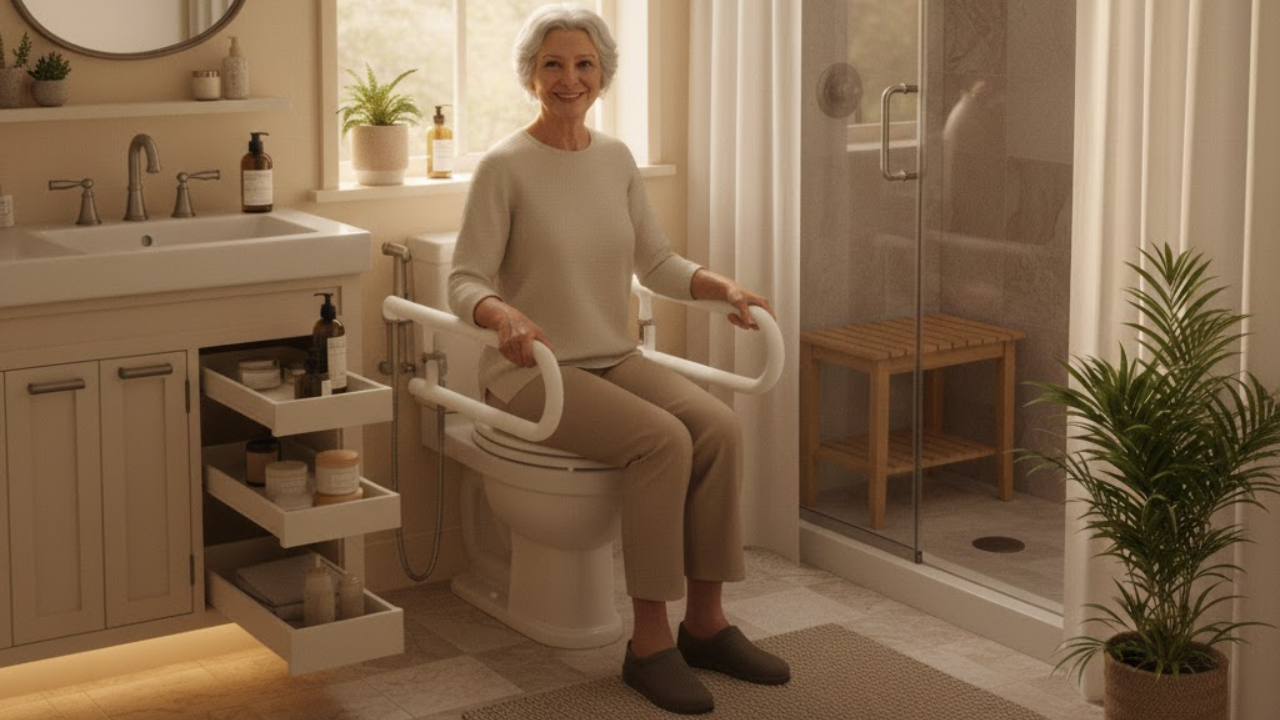
Do you ever worry about your aging parents struggling to stand from the toilet?
Most families living with aged parents face this challenge. This daily struggle not only heightens anxiety but also disrupts family routines, increases medical costs, and accelerates emotional strain from constant worry.
According to a CDC study, bathrooms have the highest fall risk for seniors aged 65+, with over 234,000 nonfatal injuries treated in U.S. emergency departments annually.
Fortunately, the solution lies in adding safety features like grab bars, non-slip flooring, raised toilet seats, and walk-in showers, which can reduce fall risks and make these spaces easier to navigate.
Here in this blog, you'll explore a practical guide to making bathrooms safer for elders, ensuring they remain comfortable and independent for a longer time.
Why Bathroom Safety
As per a study conducted by the CDC (Centers for Disease Control and Prevention), it was revealed that 1 in 4 older adults experiences a fall every year. These falls are not only physically damaging but can also lead to reduced independence, turning homes into risky environments.
Bathroom safety accessories for older people are a significant investment that help elderly home owners live comfortably and safely at home. These targeted upgrades directly address those vulnerabilities by steadying movements that provide them freedom to age in place with confidence.
What Features Make A Bathroom Safe?
It's common for bathrooms to have slippery floors and sharp edges, which can lead to serious injuries. With specific features and deliberate renovations, one can significantly reduce these risks and maintain functionality.
1. Non-slip Flooring
One of the most effective ways to improve bathroom safety is to use flooring that eliminates the biggest slipping risks.
Install non-slip vinyl planks or textured porcelain tiles that provide superior traction, which drastically reduces fall risks in high moisture areas like showers and around sinks.
Complement this with suction-cup bath mats placed strategically inside tubs and on open floors. These removable mats add extra grip, are easy to clean, and prevent water from pooling into dangerous spots.
Proper installation ensures long term durability, making your bathroom a safer space for seniors without sacrificing the bathroom’s style or comfort.
2. Grab Bars and Handrails
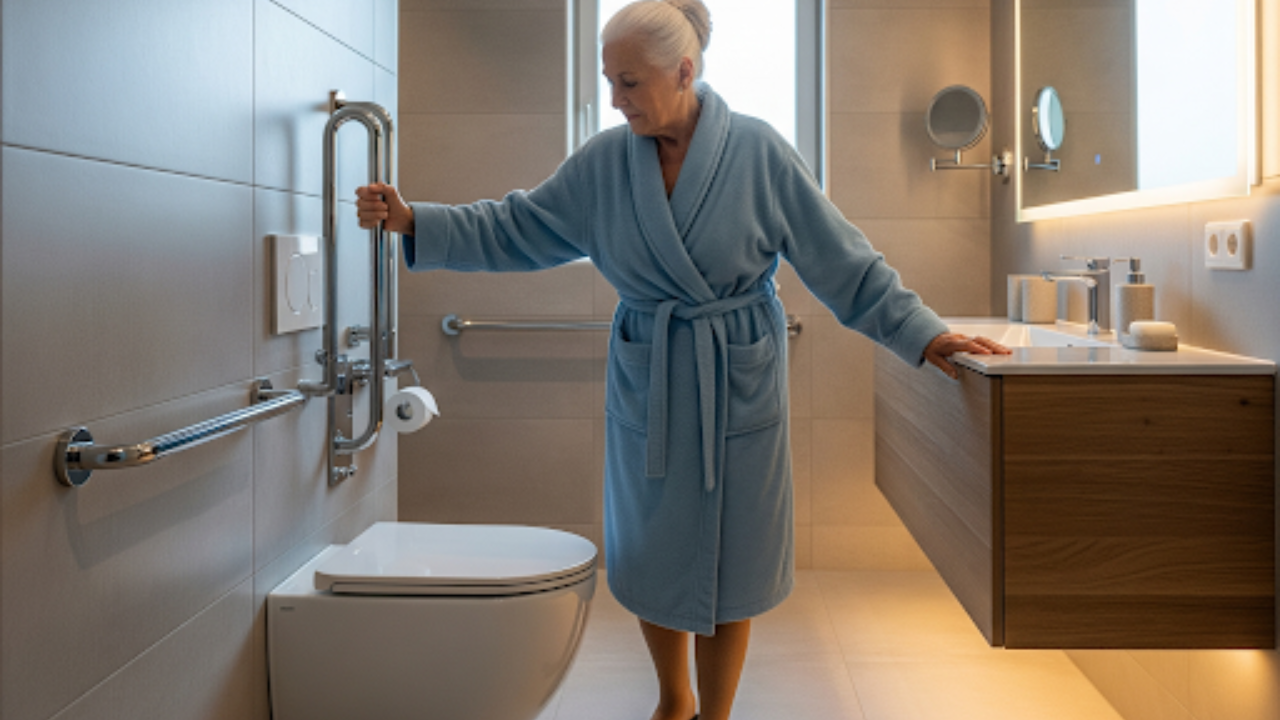
For long-term safety, occupational therapists often recommend installing grab bars, which are a must-have for stability.
To reduce fall risks, you can position them near the toilet for safe sitting and standing, inside showers for entry and exit support, and along the bathtub edges to prevent slips during transfers.
Make sure to always anchor them securely to walls to support full body weight properly.
Curved or L-shaped designs offer versatile gripping angles for better leverage. These simple additions create reliable anchor points, boosting confidence to live independently.
3. Raised Toilet Seats
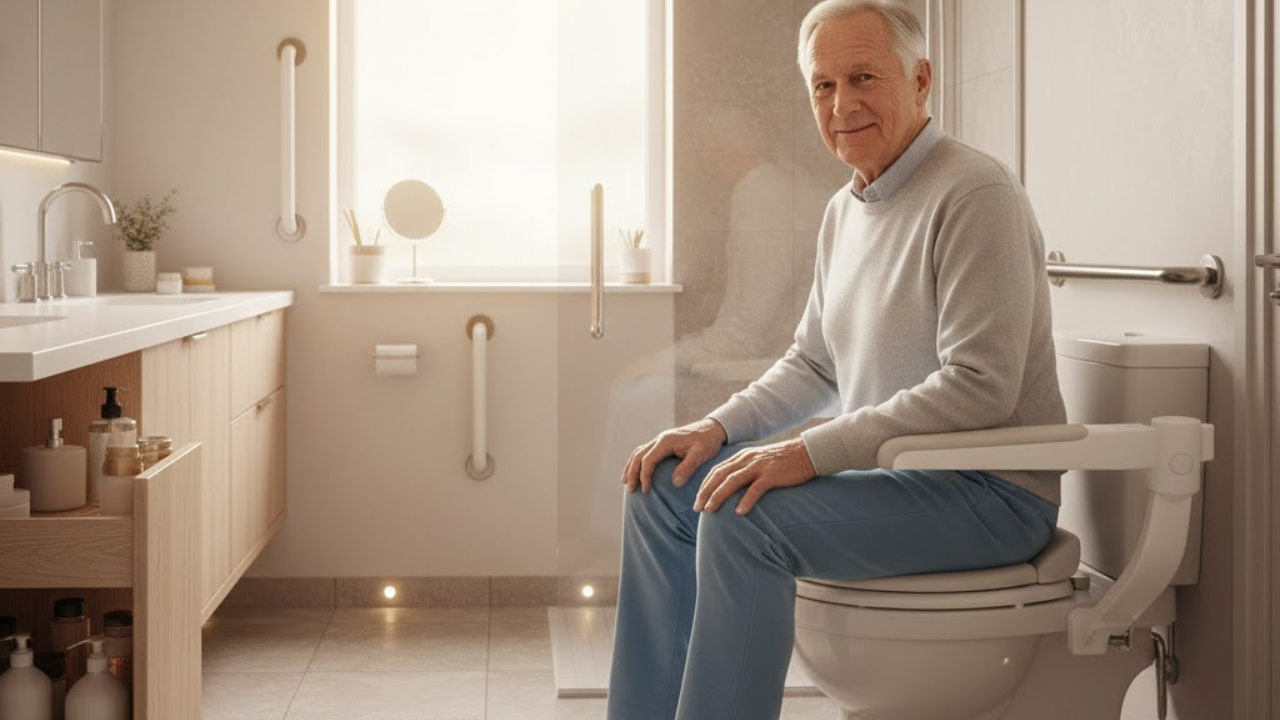
Instead of standard fixtures, you may ease strain on aging joints with raised toilet seats.
Elevate the seat height by 2-4 inches using sturdy, lockable models that fit most standard toilets, making it accessible for seniors with arthritis, hip issues, or limited mobility to lower themselves and rise without painful bending.
By opting for cushioned versions with optional armrests for added security during transitions, you can reduce fatigue from repetitive bathroom use.
A quick retrofit transforms everyday toileting into a pain-free routine.
4. Walk-in Tubs and Showers
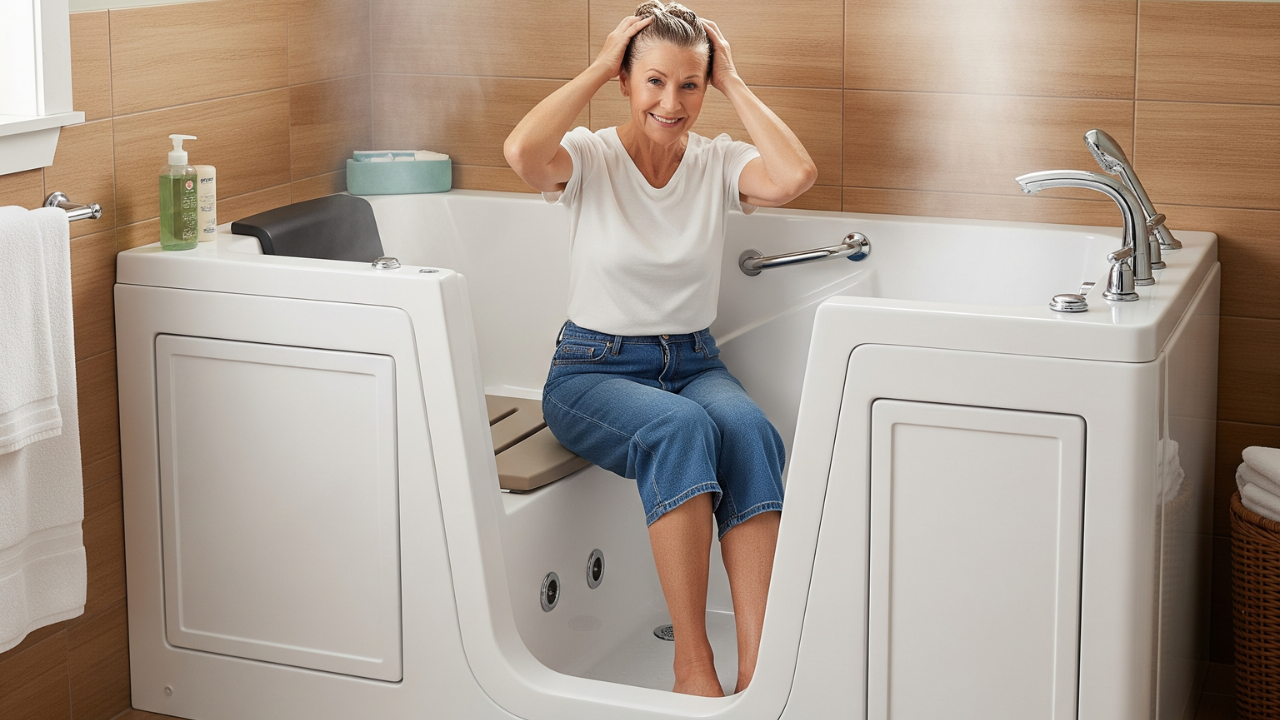
If you are wondering how to make a bathtub safe for elderly individuals, consider walk-in tubs and showers to remove barriers entirely, eliminating the need to step over high tub walls that cause many falls.
Upgrading to built-in benches, anti-slip bases, and easy reach controls while seated can enhance their comfort and secure bathing.
During renovation, install smooth no step entries with gentle slopes. They allow wheelchair access if needed. This simple change boosts comfort and accessibility, turning risky bath time into a safe, relaxing routine that lasts for years.
Installing a digital temperature display or a hot water alarm can alert seniors if the water is too hot, adding an extra layer of protection against burns.
5. Anti-scald Faucets
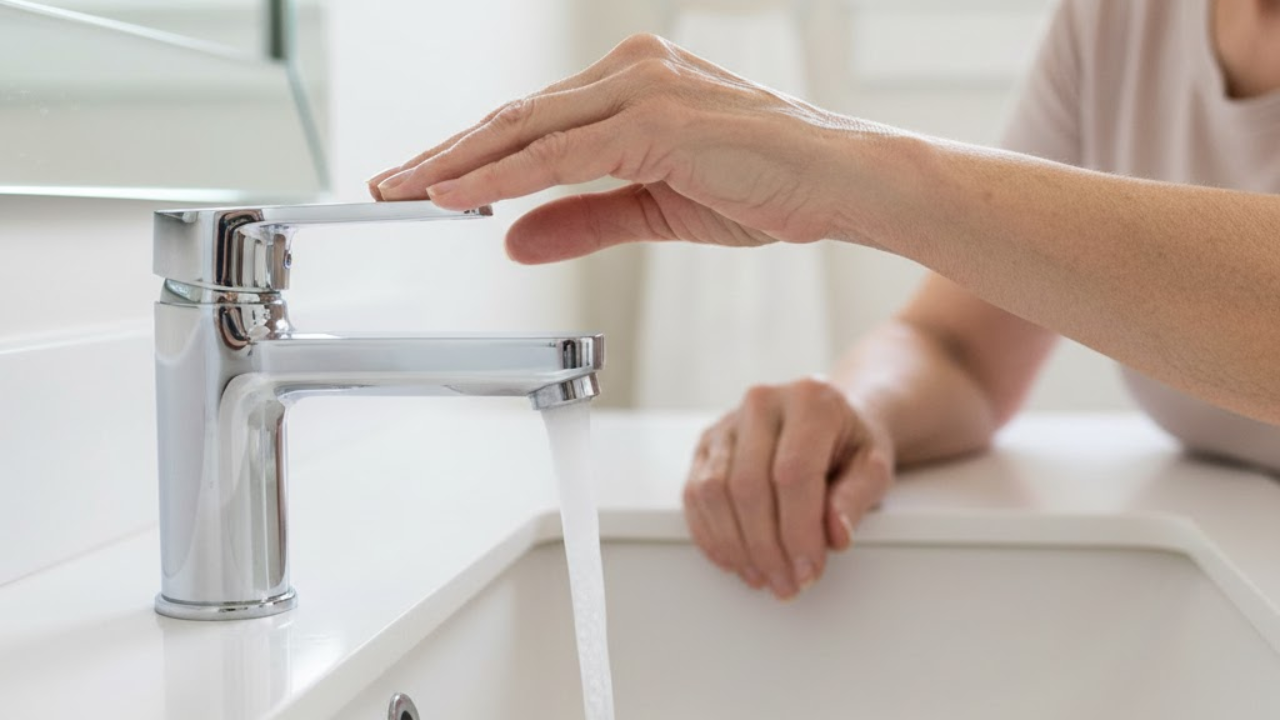
Replacing outdated fittings with anti-scald faucets can prevent elders from burns. Make sure to add them to showers, tubs, and sinks that automatically limit hot water to a safe 120°F range, as compared to traditional designs, protecting fragile skin from pressure fluctuations or accidental tweaks.
When remodeling for aging in place, you can install them, as they provide peace of mind and ensure comfortable temperatures every time without constant monitoring.
6. Proper Lighting
During renovation, an often overlooked feature is proper lighting, which reveals obstacles, improves surface visibility, and supports safe navigation around the clock in dim conditions.
You can install modern safety features such as bright LEDs with even coverage over showers, toilets, and vanities with dimmable options.
At the same time, you can also opt for motion activated nightlights that automatically illuminate paths during sleepy nighttime visits, reducing the risk of disorientation.
Ensure switches are placed at accessible heights near entries, and add glow strips along the floor for low vision guidance.
7. Wider Doorways
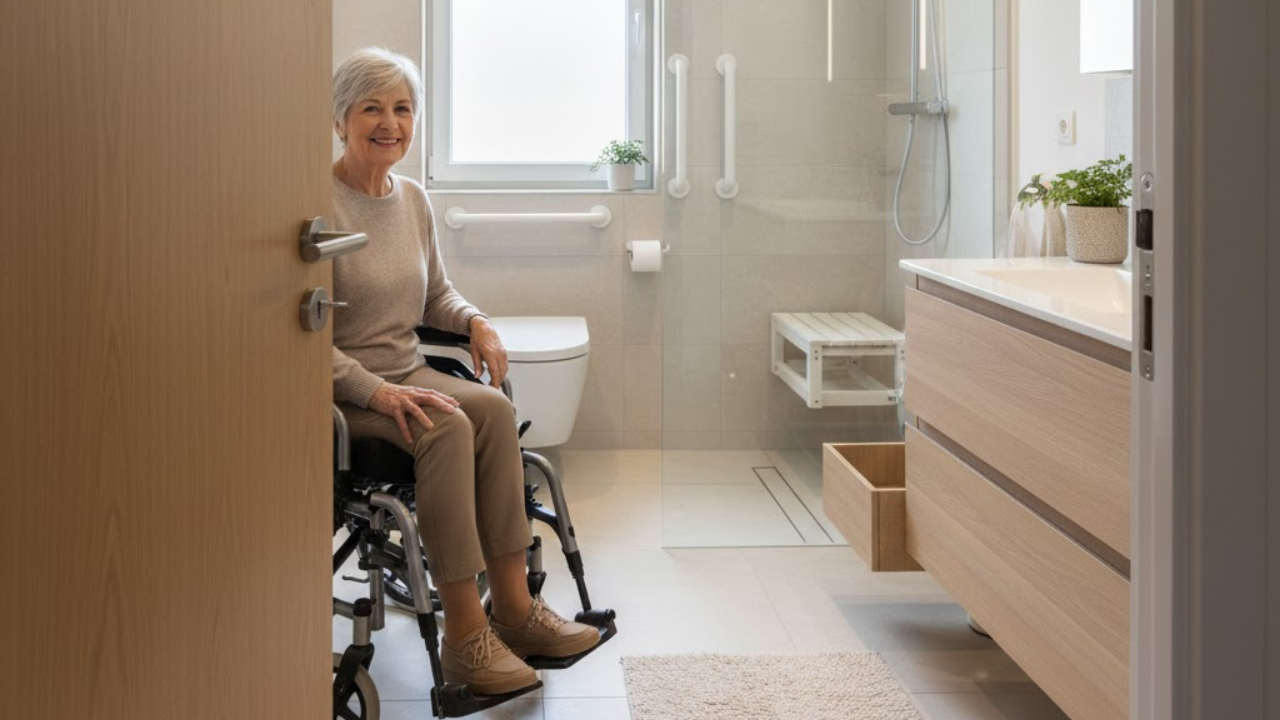
For elderly individuals, you can design or remodel bathroom doors wider for easier access.
During remodels, expand bathroom doors to at least 32-36 inches wide, so wheelchairs, walkers, or seniors with mobility aids can pass through without squeezing or getting stuck.
Pair with lever handles instead of knobs for simple one-handed use, for elders with arthritis. This small change improves flow, reduces frustration, and prevents shoulder strains or falls in tight spaces.
8. Handheld Showerheads
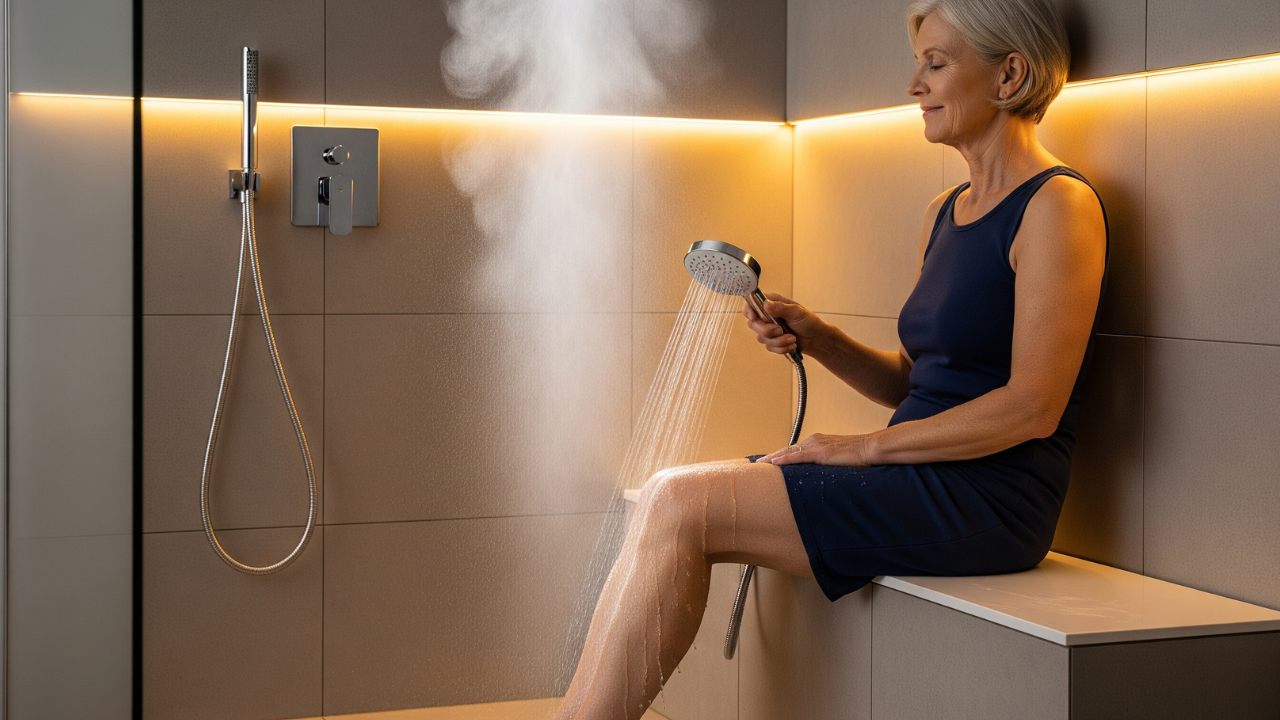
Handheld showerheads are a suitable option for better reach.
Mount them on adjustable hoses so your parents can direct water exactly where needed, such as washing legs, back, or seated areas, without twisting or stretching dangerously.
Choose models with multiple spray settings and pause buttons to control water use.
9. Accessible Storage
To organize storage for easy reach, you can upgrade to open shelves or pull-out cabinets at waist height, so elders avoid bending, stretching, or using step stools that cause falls.
Use slide trays for towels, soaps, and toiletries, and keep daily items in the front and center. This setup boosts independence, saves time, and keeps clutter off floors for safer walking paths.
Note: Cabinets should not be higher than 48 inches or lower than 15 inches from the floor.
Ready To Make Your Bathroom Safer For Seniors?
Ensure your bathroom has all the key safety features, from non-slip flooring to grab bars and walk-in tubs, to provide peace of mind and comfort to your loved ones.
Kellow Construction guides you through every step, from initial consultation and design to permitting and completion, making the remodeling process straightforward and stress-free.
Schedule your free consultation today to see how their hands-on approach can transform your space.
Frequently Asked Questions (FAQs)
Q. How to prevent the elderly from falling in the bathroom?
Ans. Prevent falls by keeping the floor dry, removing all loose rugs, and placing non-slip mats in the shower. Also, place grab bars around the toilet and bathtub, use a shower chair, and ensure the bathroom is well-lit, particularly at night.
Q. How do you modify a bathtub for the elderly?
Ans. To make a tub safer, one can install a walk-in tub or provide a sturdy transfer bench on which the person can have a seat and slide in safely. The installation of grab bars, non-slip strips on the tub floor, and a handheld showerhead also facilitates easier and safer bathing.
Q. How to senior proof a bathroom?
Ans. Non-slip floors, grab bars, and the removal of clutter from the floor are key for senior proofing the bathroom. Raise the toilet seat, add better lighting, and keep everyday items like soap and towels within easy reach to minimize stretching or bending.
Q. What is the home safety checklist for the elderly?
Ans. An easy-to-follow home safety checklist would be: remove all clutter from your walkways, ensure there are bright lights in all your rooms and hallways, install non-slip mats in your kitchens and bathrooms, and ensure your stairway railings are secure.
Q. How can we ensure safety in the bathroom?
Ans. To ensure bathroom safety, fix any leaks, keep the floor dry, and use non-slip mats. Position grab bars, a shower chair, and good lighting, and check all safety equipment regularly to make sure it is still secure and in good condition.
Conclusion:
By following the above suggestions, you can make your elderly loved ones' daily lives safer, easier, and more independent. These smart changes cut fall risks, boost confidence, and let them enjoy their home routines without worry.